
Last updated October 30, 2026
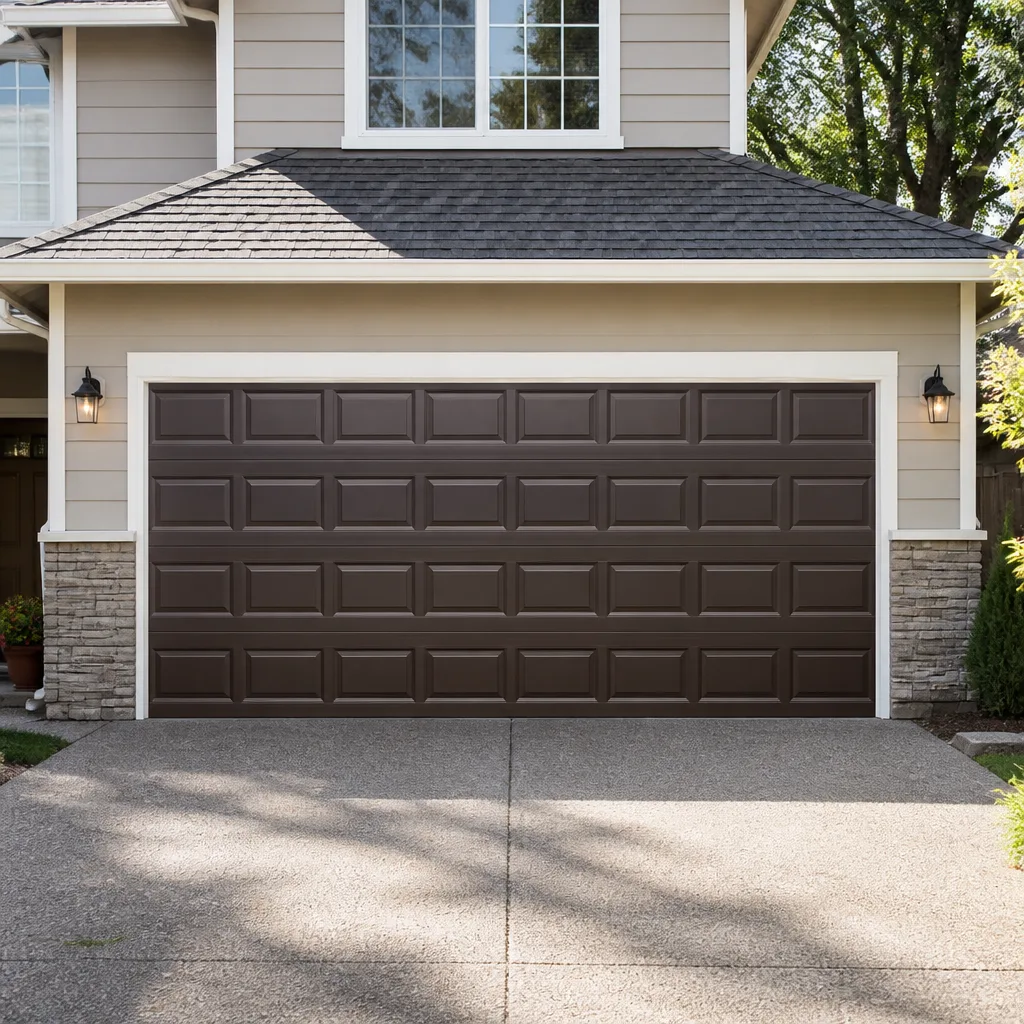 Raised-panel steel
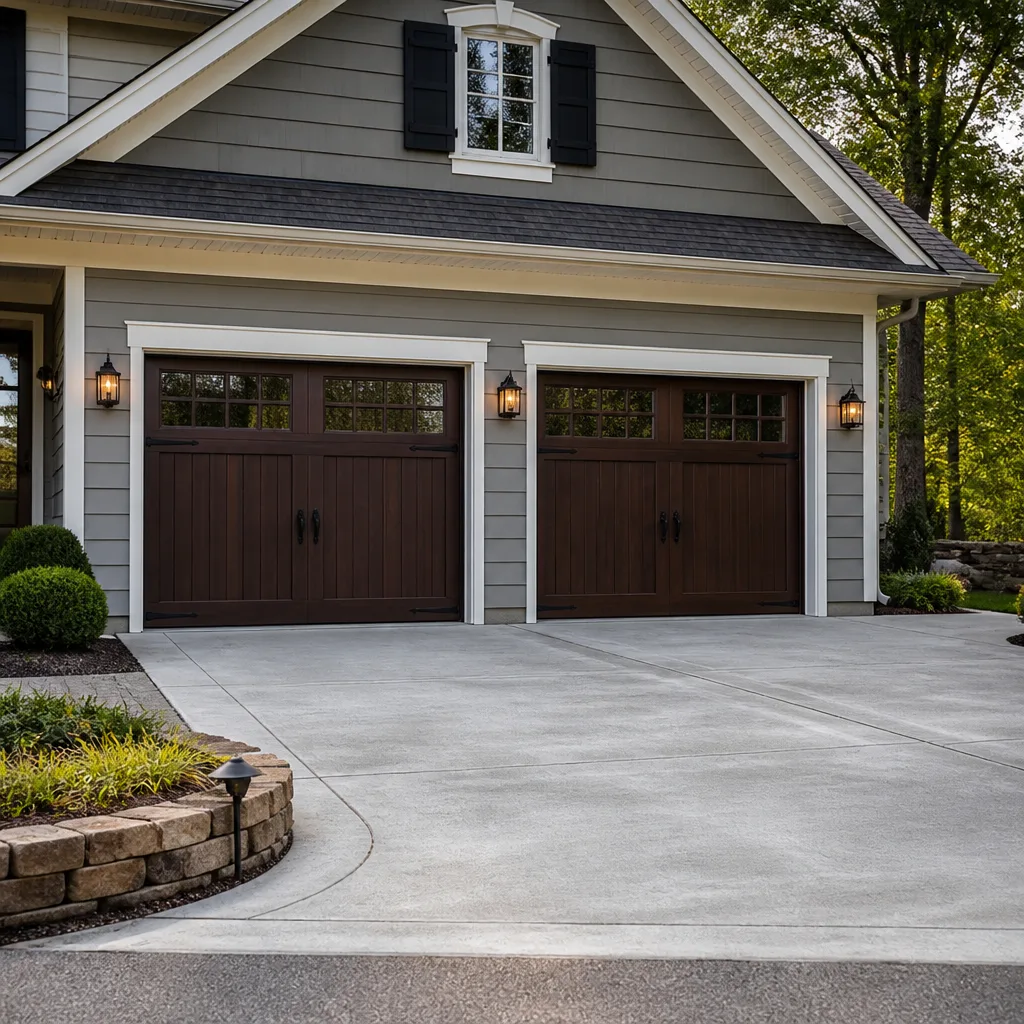 Carriage house
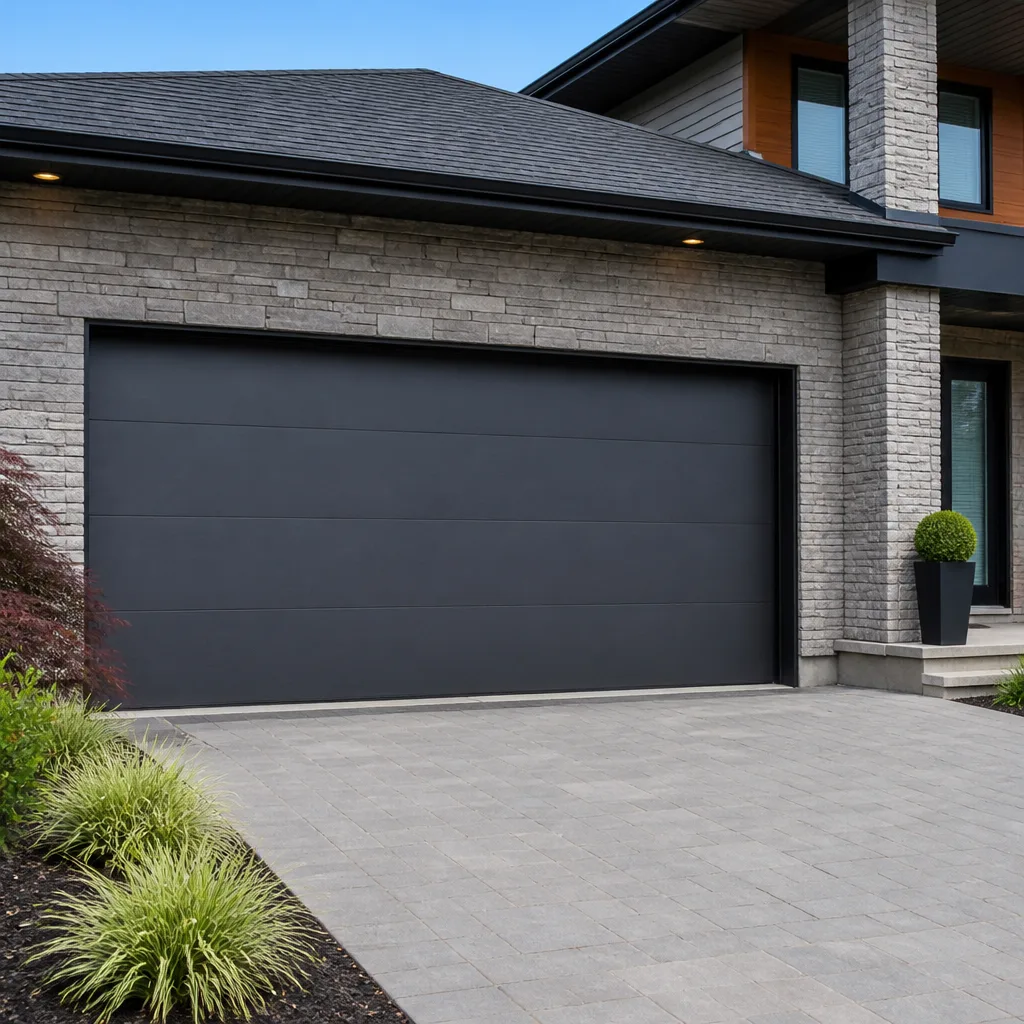 Modern flush
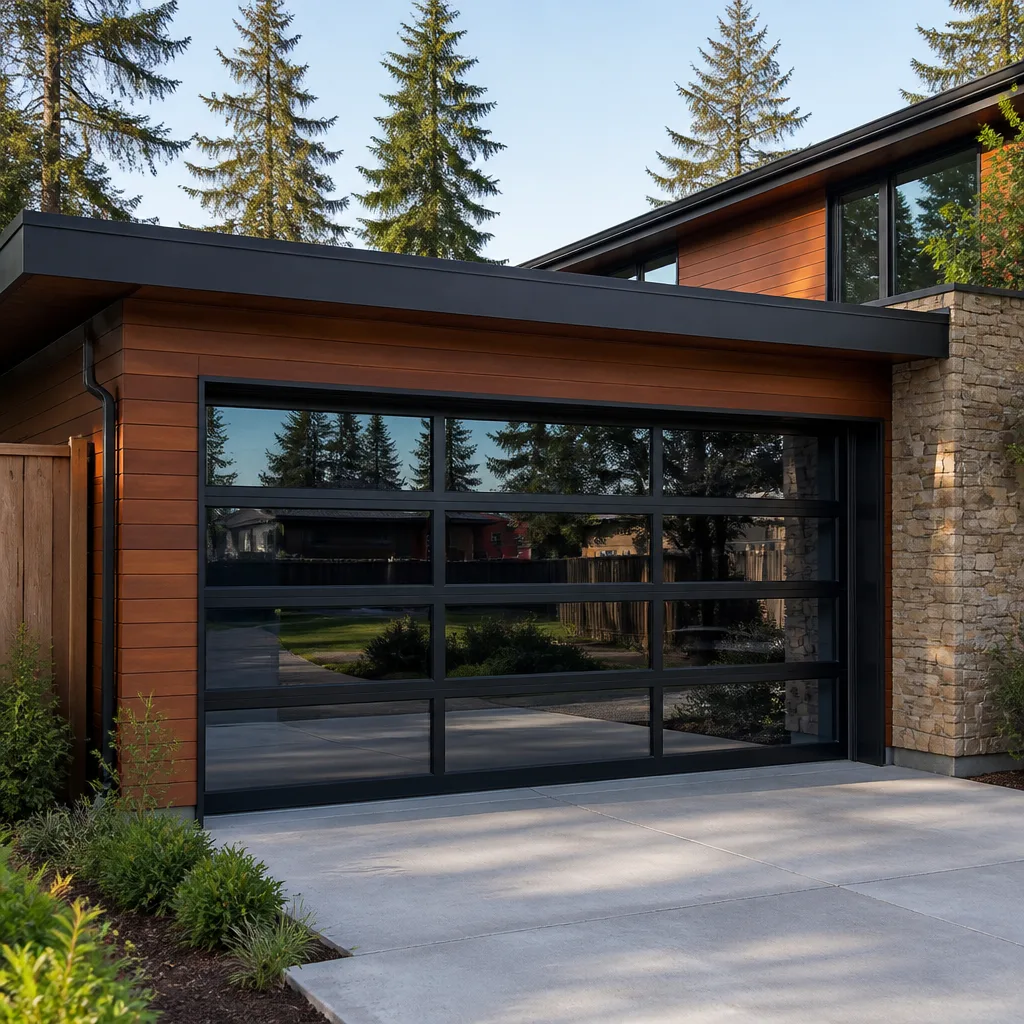 Full-view glass
 LiftMaster openers
 Chamberlain openers
Full 25-point door and opener safety check with every visit - springs, cables, rollers, tracks, and your LiftMaster or Chamberlain opener included
You get a price before we start. It does not change when the truck arrives.
Get your free estimateGarage Door Emergency Preparedness Guide for Fort Lauderdale Homes
When Broward County issues a hurricane evacuation order, you have hours, not days, to act. If your garage door opener loses power and you’ve never practiced the manual release, you may be standing in your garage reading a faded instruction sticker while the storm approaches. Most Fort Lauderdale homeowners use their garage as the primary entry point, which means a door that won’t open or close isn’t just frustrating, it can trap your car inside or leave your home exposed. This guide covers what actually happens to garage doors during South Florida storms, how to prepare before hurricane season starts, and exactly what to do when a door fails at the worst possible moment. For more, see our Garage Door Repair Troubleshooting: Common Problems and How to Fix Them.
Styles & brands we work with
Quick Answer
A Fort Lauderdale garage door emergency plan has three parts: know how to operate your door manually during a power outage, have the right hardware on hand to secure a damaged door after a storm, and keep a local garage door specialist’s number saved in your phone. Before hurricane season, practice the manual release on your opener at least twice and inspect your door’s springs, cables, and rollers for wear—our Garage Door Repair Maintenance Checklist for Fort Lauderdale Homeowners has a full pre-season walkthrough. If a door is stuck open or closed during a named storm, secure it from outside if safe to do so, then call a professional who carries parts for your specific brand.
Table of Contents
- What Hurricanes Actually Do to Garage Doors in Fort Lauderdale
- How to Operate Your Garage Door Manually: A Step-by-Step for Every Opener Type
- What to Do When Your Door Is Stuck Open During a Storm
- What to Do When Your Door Is Stuck Closed and You Need to Evacuate
- Post-Hurricane Door Inspection: What to Check Before You Press the Button
- How to Temporarily Secure a Damaged Garage Door Until Repair
- Building a Fort Lauderdale Garage Door Emergency Kit
- Common Mistakes to Avoid
- When to Call a Professional
- Frequently Asked Questions
- The Bottom Line
What Hurricanes Actually Do to Garage Doors in Fort Lauderdale
Garage doors are the largest moving object on your home and the weakest structural point against hurricane-force winds. A standard two-car garage door spans 16 feet and, when the wind hits it square, it behaves like a sail. The pressure differential between outside and inside can push the door inward, pull it outward, or twist the tracks until the rollers pop free. In Fort Lauderdale, Garage Door Permits, Codes & Inspections in FL: What You Need to Know explains that building code has required wind-rated garage doors on new construction since Hurricane Andrew in 1992, but older homes in neighborhoods like Victoria Park, Poinsettia Heights, and Sailboat Bend often still have doors that were never designed for a Category 3 or higher.
What we see most after storms in Fort Lauderdale is not doors blown completely off, but doors that are subtly compromised. A door that took a hard hit may have bent tracks, stretched torsion springs, or a cracked panel that you won’t notice until the opener strains against the damage. That’s why post-storm inspection matters as much as pre-storm preparation.
Here’s what wind typically does to each component:
- Panels: Wind-driven debris punctures or cracks panels. Even hairline cracks weaken the door’s structural integrity because the panel is what resists the wind load.
- Track system: The vertical tracks bolted to the jambs can flex under pressure. Once a track is bent even a quarter inch, the rollers bind and the door jams.
- Springs: Torsion springs are under constant tension. Wind stress can push them past their cycle rating, causing sudden failure, sometimes weeks after the storm.
- Opener: The opener is not designed to fight wind. If you try to operate a door during high winds, the motor can strip its internal gear or burn out entirely.
- Weather seal: The bottom rubber seal gets ripped away, letting water and debris blow into the garage.
Understanding these failure points shapes everything else in this guide. Preparation isn’t just about having a working door, it’s about knowing which part will fail first and what to do when it does.
How to Operate Your Garage Door Manually: A Step-by-Step for Every Opener Type
Every garage door opener has a manual release mechanism, but the design varies by brand. You need to know how to operate yours before the power goes out, because doing it for the first time in a dark garage during a hurricane is how people get hurt. The door is heavy, the springs are under tension, and if the door is off balance, pulling the release cord can cause it to slam down.
Here’s the step-by-step for the most common opener types found in Fort Lauderdale homes:
LiftMaster and Chamberlain Openers (including myQ models)
- Confirm the door is fully closed. If it’s open and the springs are compromised, manually lowering it can be dangerous. Call a professional instead.
- Locate the red release handle hanging from the opener rail. It’s a red cord with a plastic T-handle, usually near the center of the garage.
- Pull the handle straight down and toward the garage door. You’ll hear a click as the trolley disengages from the carriage.
- Lift the door by hand using the outside handle or the bottom edge. A properly balanced door should lift smoothly with about 10 to 15 pounds of force.
- To re-engage, pull the release cord again while pressing the wall button. The trolley will reconnect on the next cycle.
Genie Openers
- Genie units have a red or green emergency release cord, but the disengagement point is at the front of the rail, near the door.
- Pull the cord down firmly and then toward the opener motor. Listen for the click.
- Lift or lower the door manually. Genie doors tend to be heavier than LiftMaster models, so use both hands and keep your feet clear.
- To reset, run the opener while the door is in the open position and the trolley will automatically re-engage.
What If the Door Won’t Move After Pulling the Release?
That means the door is either off balance, the rollers are binding in the track, or a spring is broken. Do not force it. A door with a broken spring can weigh 150 to 400 pounds depending on the model. Call a Garage Door Repair in Fort Lauderdale specialist who can diagnose whether it’s the spring, the track, or the opener carriage that’s holding the door.
Practice the manual release twice a year, once before hurricane season in June and again in November. The mechanism gets sticky with humidity and salt air in Fort Lauderdale, and you don’t want your first pull of the year to be during an evacuation.
What to Do When Your Door Is Stuck Open During a Storm
A garage door stuck open during a hurricane is a direct threat to your home. Wind enters the garage, builds pressure, and can lift the roof or blow out windows. If your door is stuck open and you can’t close it manually, you need to secure the opening as quickly as possible.
Here’s the sequence we recommend, based on what actually holds up in Fort Lauderdale storms:
- Assess why it’s open. If the opener released but the door won’t come down, check for an obstruction in the track, a broken cable, or a bent roller. If the door is visibly damaged, don’t try to force it down, the springs can recoil.
- If the door moves manually but won’t stay down: The spring system has failed. You can lower the door carefully with one person on each side, but understand that a door with a broken spring is dead weight. If it slips, it comes down hard.
- If the door can’t be lowered at all: You need to physically block the opening. Use a tarp on the outside to shed water, then brace the opening from inside with plywood if you have it, or with heavy furniture positioned against the door opening.
- Move your car away from the door. If the door fails completely, you don’t want your vehicle in the path of the panels or the wind-driven water.
- Call an emergency garage door technician. In Fort Lauderdale during hurricane season, reputable companies prioritize calls based on exposure, and a stuck-open door is the highest priority because it’s an active security breach.
The critical mistake we see from homeowners is trying to prop the door open with a ladder or a broom handle. That doesn’t secure anything, it just becomes a projectile when the wind catches the door. If you can’t get the door down, get yourself and your family to the safest part of the house and deal with the door after the storm passes.
What to Do When Your Door Is Stuck Closed and You Need to Evacuate
A door stuck closed when you’re trying to evacuate is a different kind of emergency. You’re not protecting the house, you’re trying to get your car out. This is the scenario where practicing the manual release pays off, because you won’t have time to figure it out under pressure.
If you’ve pulled the release cord and the door still won’t open, here’s what to do:
- Check for a lock bar or slide lock. Many Fort Lauderdale garage doors have a manual slide lock on the inside of the track. If it’s engaged, the door won’t move even with the release pulled. Slide it to the unlocked position and try again.
- Look for a bent track or dislodged roller. If the door took a hit from wind or debris, the track may have flexed inward, pinching the rollers. This is a structural issue, not an opener issue.
- Try lifting from different points. Lift from the outside handle first, then from the bottom corners. If it moves an inch and stops, you have a mechanical bind, not a locked door.
- If the door won’t budge, leave the car. Evacuating with your family is more important than evacuating with your vehicle. Use another exit and deal with the door after the storm.
One more thing: if you have a battery backup on a LiftMaster or Chamberlain opener and it’s not responding, the issue is usually the battery, not the opener. The manual release bypasses all electronics, so if the door won’t move manually, the problem is mechanical. Call a Garage Door Opener Repair in Fort Lauderdale technician to diagnose whether it’s the opener, the battery, or the door itself.
Post-Hurricane Door Inspection: What to Check Before You Press the Button
After a hurricane passes, your garage door may look fine from the outside and still be structurally unsafe to operate. The damage can be internal: stretched springs, cracked torsion tubes, or rollers that are about to fail. Before you press the opener button, walk through this inspection protocol:
- Look at the springs first. Torsion springs are mounted on a bar above the door. Look for gaps in the coil, rust, or any sign that the spring has unwound. If a spring is broken, the door will not stay balanced and the opener will strain against the full weight. Do not operate the door.
- Check the cables. The cables run along both sides of the door from the bottom brackets to the spring assembly. Look for frayed strands, kinks, or a cable that has slipped off the drum. A damaged cable under tension can snap and cause serious injury.
- Run your eyes along both tracks. Look for bends, rust, or gaps where the track has pulled away from the wall. A track that’s out of alignment by more than half an inch can cause the rollers to bind.
- Inspect the rollers. Nylon rollers should be smooth with no flat spots. Steel rollers should not have visible wear on the bearings. In Fort Lauderdale’s salt air, steel rollers corrode faster than inland locations.
- Check the panels. Walk the outside of the door and look for cracks, dents, or panels that have separated from the hinges. A cracked panel weakens the entire door’s wind resistance.
- Test the balance. Pull the release cord and lift the door manually to waist height. If it stays in place, the springs are balanced. If it drops, the springs are failing. If it shoots up, the springs are over-tightened. Either way, call a professional.
If the door passes all these checks, run the opener once and listen. Grinding, popping, or uneven movement means something’s wrong even if you can’t see it. If anything looks off at all, leave the door in manual mode and call a specialist. Our technicians diagnose across all eight major brands, including Clopay doors and Genie openers, so the first visit is typically the fix, not the exploratory trip.
How to Temporarily Secure a Damaged Garage Door Until Repair
After a major storm, Fort Lauderdale repair companies get flooded with calls, and even the fastest technician may take a day or two to reach you. In the meantime, you need to secure your damaged door so your home isn’t open to weather, animals, or intruders. Here’s what actually works and what doesn’t:
Methods That Work
- Through-bolting with angle iron: If the door is bent but still on its tracks, drill holes through the track and the wall stud and bolt a piece of angle iron across the door. This mechanically locks the door in place.
- Plywood barrier from inside: If the door panels are compromised, screw 3/4-inch plywood across the inside opening. Focus on the bottom two feet where water and wind pressure are highest.
- Ratchet straps around the door and frame: For doors that are partially open or off their rollers, heavy-duty ratchet straps can hold the door against the jambs temporarily. Use at least three straps, spaced evenly.
- Sandbag line at the base: If the bottom seal is gone, a row of sandbags across the garage threshold keeps water from pooling inside. In Fort Lauderdale, even a foot of standing water in the garage ruins whatever is stored there.
Common Improvised Mistakes
- Using a car jack to hold the door: The door will shift and the jack will tip. A falling garage door is not something you want to catch.
- Wiring the door to the track with coat hangers: This fails under any real load. A door that’s hanging by coat hangers can come down on your car or a person.
- Nailing a tarp directly to the door panels: The wind shreds it and the nails create new failure points in already-damaged panels.
- Leaving the door open “just overnight”: In Fort Lauderdale, an open garage is an invitation whether there’s a storm or not. Tools, bicycles, and stored belongings disappear fast.
For a permanent fix after the storm, a Garage Door Installation in Fort Lauderdale specialist can assess whether your door can be repaired or needs full replacement. If the door took a direct hit from flying debris, replacement is often the safer and more cost-effective option than trying to patch a structurally compromised door.
Building a Fort Lauderdale Garage Door Emergency Kit
The time to gather emergency supplies is not at 10 p.m. the night before a hurricane makes landfall. Build this kit now and store it in a marked bin in the garage, away from the door itself. Here’s what belongs in it:
- Owner’s manual for your opener, or a screenshot of the manual release instructions. If you have a LiftMaster, Chamberlain, or Genie opener, the manual shows the exact release cord location for your model.
- Heavy-duty ratchet straps, at least three. For securing a door that’s off its tracks.
- 3/4-inch plywood sheet, pre-cut to your door opening. You won’t have time to measure and cut after the storm.
- Lag bolts and washers, or an angle iron kit. For through-bolting a bent door to the frame.
- Work gloves and safety glasses. Garage door edges are sharp, and cables under tension can snap.
- Headlamp with fresh batteries. Power outages and dark garages go together.
- Vise grips. For clamping a track or holding a cable drum if you need to work hands-free.
- Written contact information for a garage door repair company. Save (844) 713-7316 in your phone, but also write it down. Phones die, networks go down, and a paper note still works.
- Sandbags for the garage threshold. Keep a dozen on hand during hurricane season. They’re cheap insurance against the flooding Fort Lauderdale gets with even a moderate storm surge.
You don’t need to be a mechanic to use any of this. You need to have it in one place and know what it’s for. The difference between a minor inconvenience and a major problem after a storm is often whether the homeowner had the right tool and the right number at hand.
Common Mistakes to Avoid
- Testing the manual release for the first time during a power outage. The release mechanism on a LiftMaster behaves differently than one on a Genie, and you’ll be fumbling in the dark. Practice now, in daylight, when there’s no pressure.
- Operating the door during high winds. The opener is not built to fight wind load. Forcing the door open or closed against hurricane-force gusts strips the gear, bends the track, and can snap a cable.
- Propping a stuck-open door with whatever is handy. A broom handle, a ladder, a paint can. None of these hold anything. They become projectiles when the wind gets under the door.
- Ignoring a door that “looks fine” after a storm. In Fort Lauderdale’s post-storm rush, doors that look intact but have stretched springs fail weeks later. Inspect before you operate.
- Assuming a standard garage door is hurricane-rated. If your home was built before 1992, or if the door was replaced on a budget, it may not meet current Broward County wind-load codes. A new wind-rated Clopay or Amarr door is a legitimate storm-hardening upgrade.
- Forcing a door that’s binding. If the door stops halfway and the opener reverses, don’t hold the button down and force it. You’re turning a $200 track issue into a $900 opener replacement.
- Working on springs without training. Torsion springs are under enough tension to cause serious injury or death if they snap while you’re winding them. This is not a DIY job, and no guide should tell you otherwise.
When to Call a Professional
Some garage door problems are maintenance. Some are emergencies. Here’s when you should call a professional rather than attempting to handle it yourself:
- Broken spring: Never handle a torsion spring yourself. The tension stored in a wound spring is enough to break bones or worse.
- Snapped cable: A cable that’s broken or off the drum means the door can fall without warning.
- Door off its tracks: A door that has jumped the track can’t be safely put back by hand. The entire track alignment needs to be checked.
- Opener burning out: If the motor smells hot or the lights flicker when it runs, the opener is failing and needs replacement or rebuild.
- Door that won’t balance: If the door drops when you release it manually, the springs are done. This is not something to improvise around.
Gateway Garage Door Repair offers free estimates in Fort Lauderdale, and our technicians work across all major brands: LiftMaster, Chamberlain, Genie, Clopay, Amarr, Wayne Dalton, Craftsman, and Raynor. One call covers the door and the opener, so you’re not coordinating between two companies when a storm has already complicated your life. Call (844) 713-7316 for an exact quote before any work begins.
Frequently Asked Questions
Pull the red emergency release cord hanging from the opener rail, which disengages the door from the motor, then lift the door manually by hand. Fort Lauderdale homes with LiftMaster and Chamberlain openers have the release cord near the center of the rail, while Genie units locate it near the front. If the door won’t lift after pulling the release, a spring or track problem is holding it, and you should call a professional rather than forcing it.
Yes, a garage door that isn’t wind-rated or that has weakened panels can buckle inward under hurricane pressure, and once the garage is breached, the roof is at risk. In Fort Lauderdale, building code has required wind-rated doors since 1992, but many older homes in neighborhoods like Riverland and Croissant Park still have doors that predate the code. If your door is older or has visible panel cracks, replacement with a wind-rated Clopay or Amarr door is the strongest protection available.
First, try to lower the door manually after pulling the release cord. If it won’t come down, don’t prop it or force it. Cover the opening from outside with a tarp if safe to do so, brace it from inside with plywood or heavy furniture, and call an emergency garage door technician immediately. A stuck-open door is the top-priority call for any reputable Fort Lauderdale repair company during hurricane season.
Emergency garage door repair in Fort Lauderdale typically starts around $150 to $250 for a service call with emergency dispatch, plus parts and labor for the specific repair. A broken spring replacement runs $180 to $340, a snapped cable $150 to $250, and a track realignment $125 to $225. The exact price depends on your door’s brand, weight, and condition, so call (844) 713-7316 for a precise quote before work starts. Quotes are free and the price is agreed before anything is done.
In most cases, yes. During hurricane season, emergency calls are prioritized by exposure, meaning a stuck-open door or a door that won’t close gets service first. If your door is damaged but still secure, the repair may be scheduled for the next day. The best way to get same-day service is to call as soon as you notice the problem, before the post-storm rush peaks.
No. The price you’re quoted over the phone is the price you pay unless the technician finds additional damage that wasn’t visible during the initial call. If additional work is needed, it’s explained and agreed to before any extra charge is applied. No surprises on the invoice, ever.
The Bottom Line
A Fort Lauderdale garage door emergency plan comes down to three things: knowing how to manually operate your door, having the right hardware and contact information ready, and understanding when to call a professional instead of improvising. Practice your manual release now, build your emergency kit before June, and inspect your door after every major storm, even if it looks fine. The door is your home’s hardest-working entry point, and in hurricane country, it’s also your first line of defense. For more guides & resources, visit our blog, and when something does go wrong, one call to Gateway Garage Door Repair covers the door, the opener, and everything in between. Call (844) 713-7316 for a free estimate, and let’s get your door ready before the next storm does.
Written by the team at Gateway Garage Door Repair, serving Fort Lauderdale since 2014.
See the difference
 Before
 After
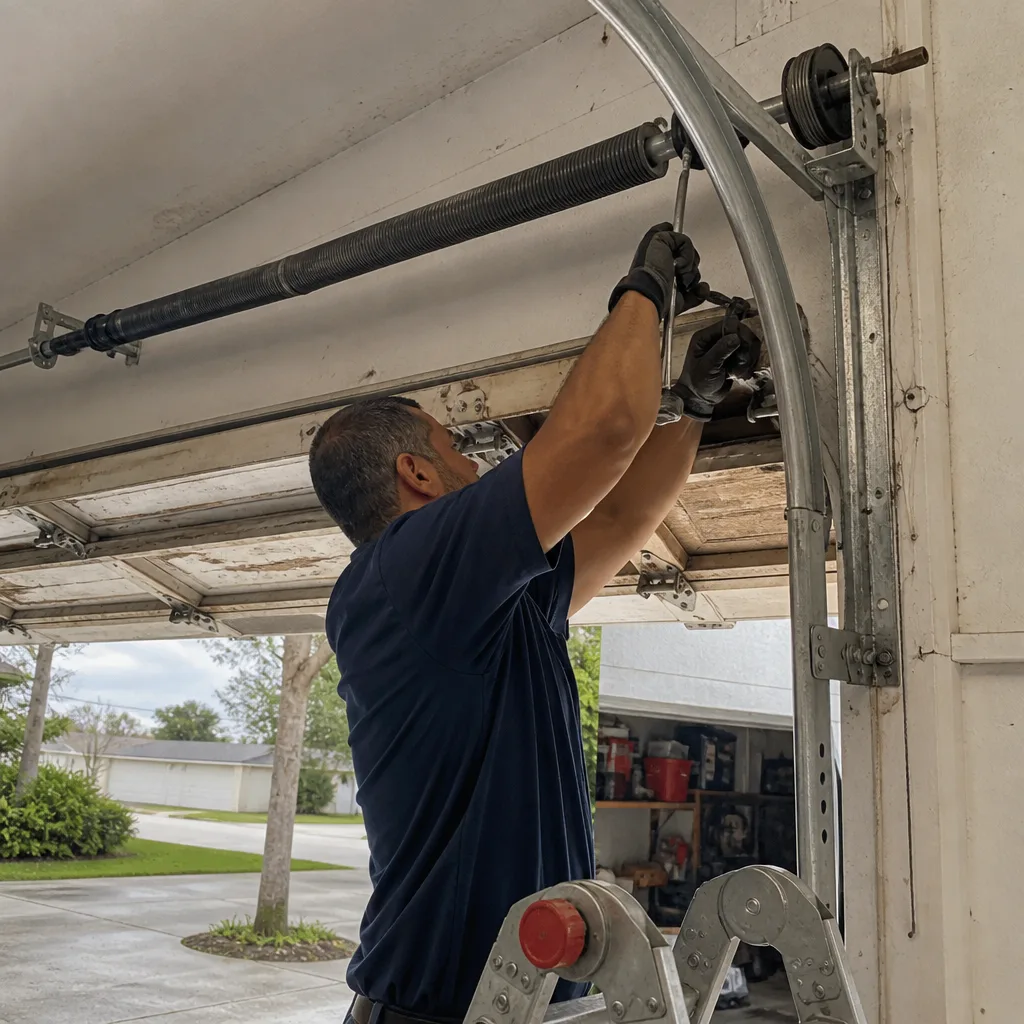 Before
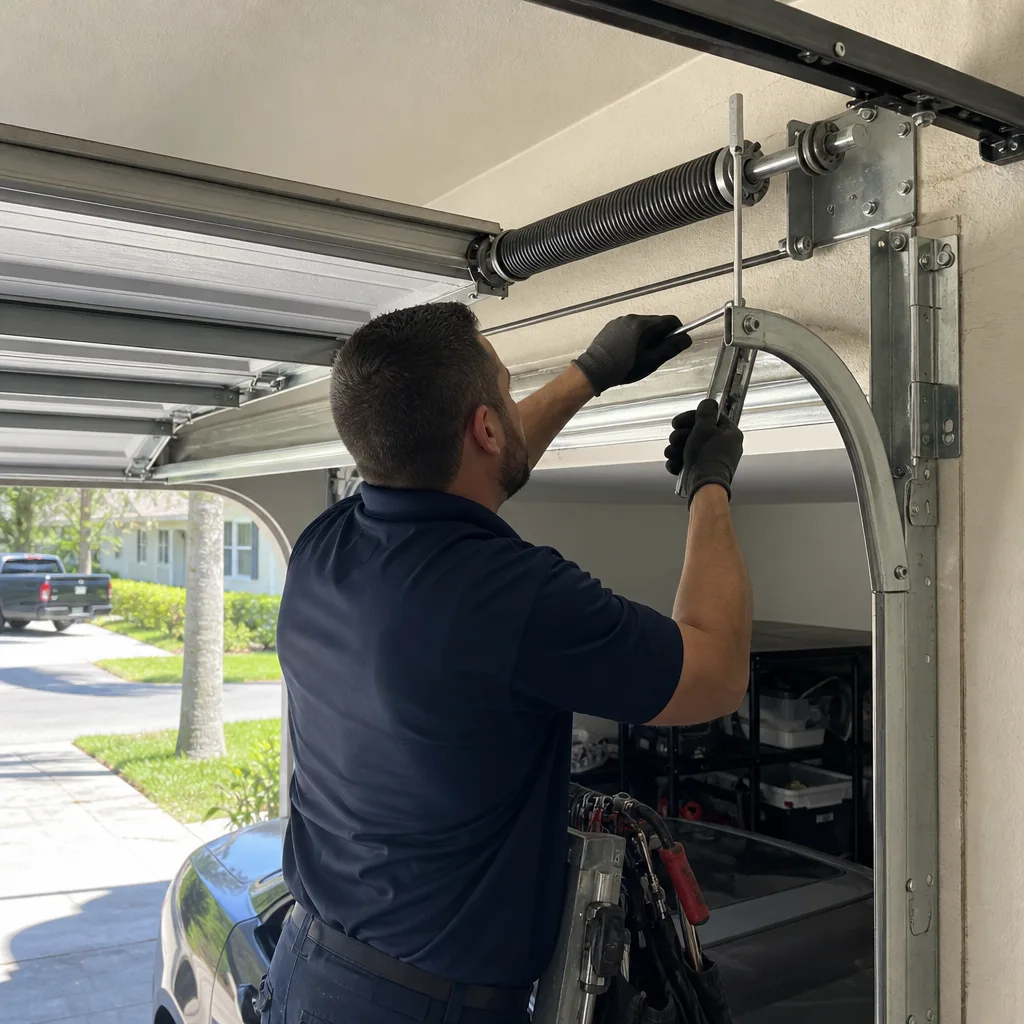 After
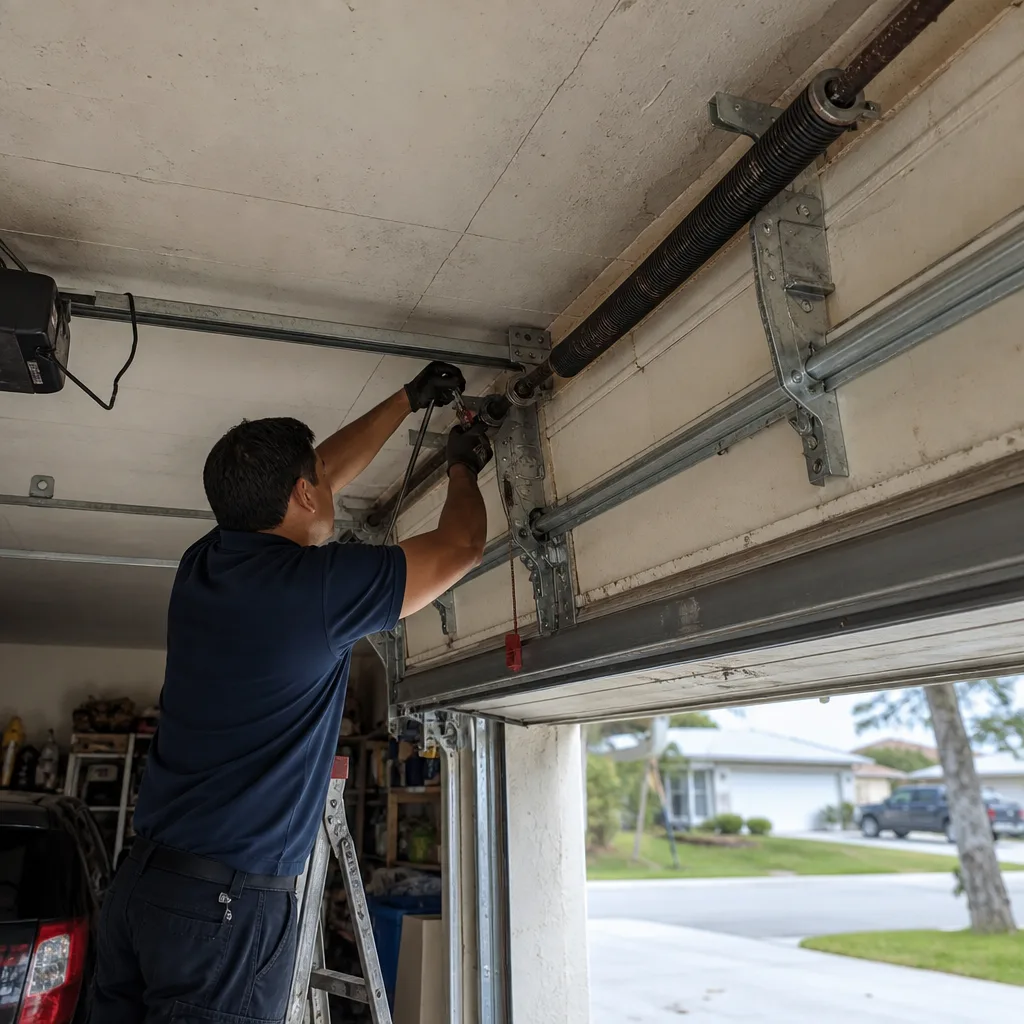 Before
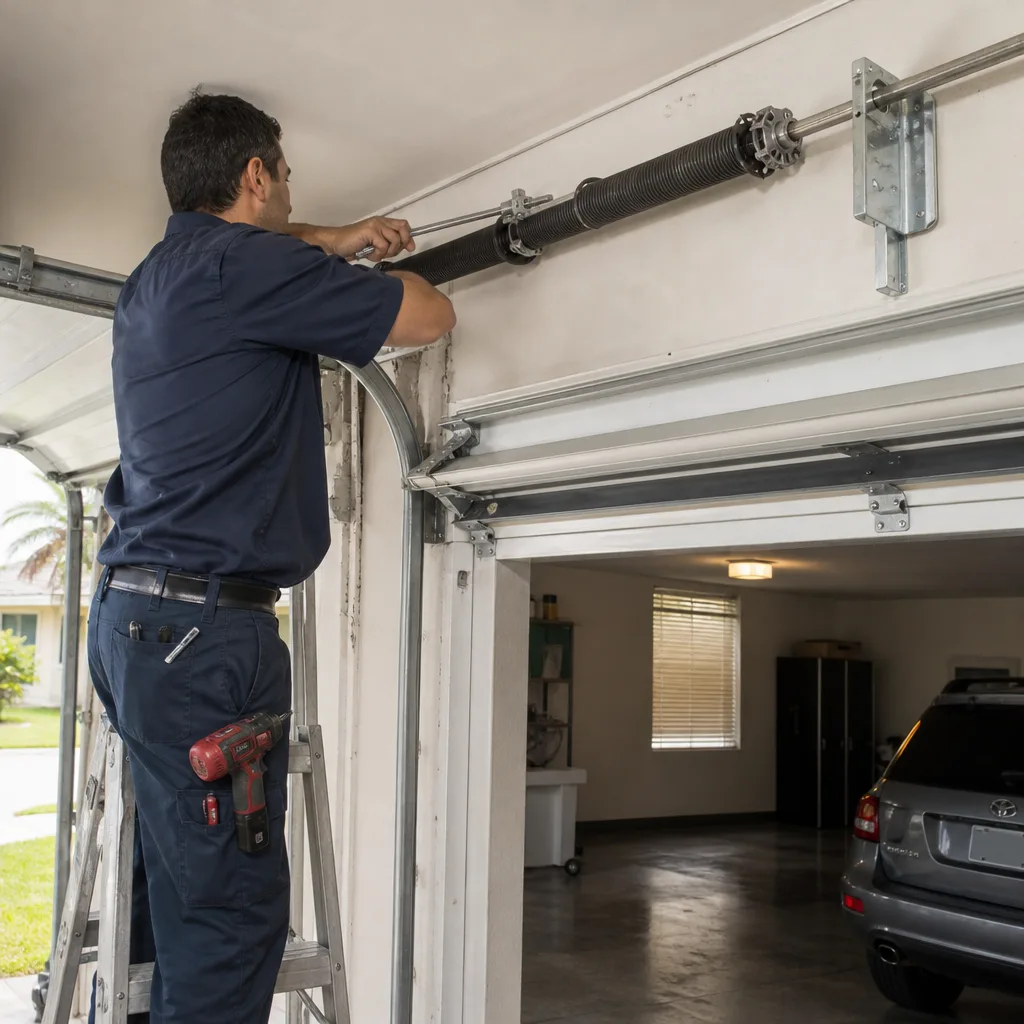 After