
Last updated October 30, 2026
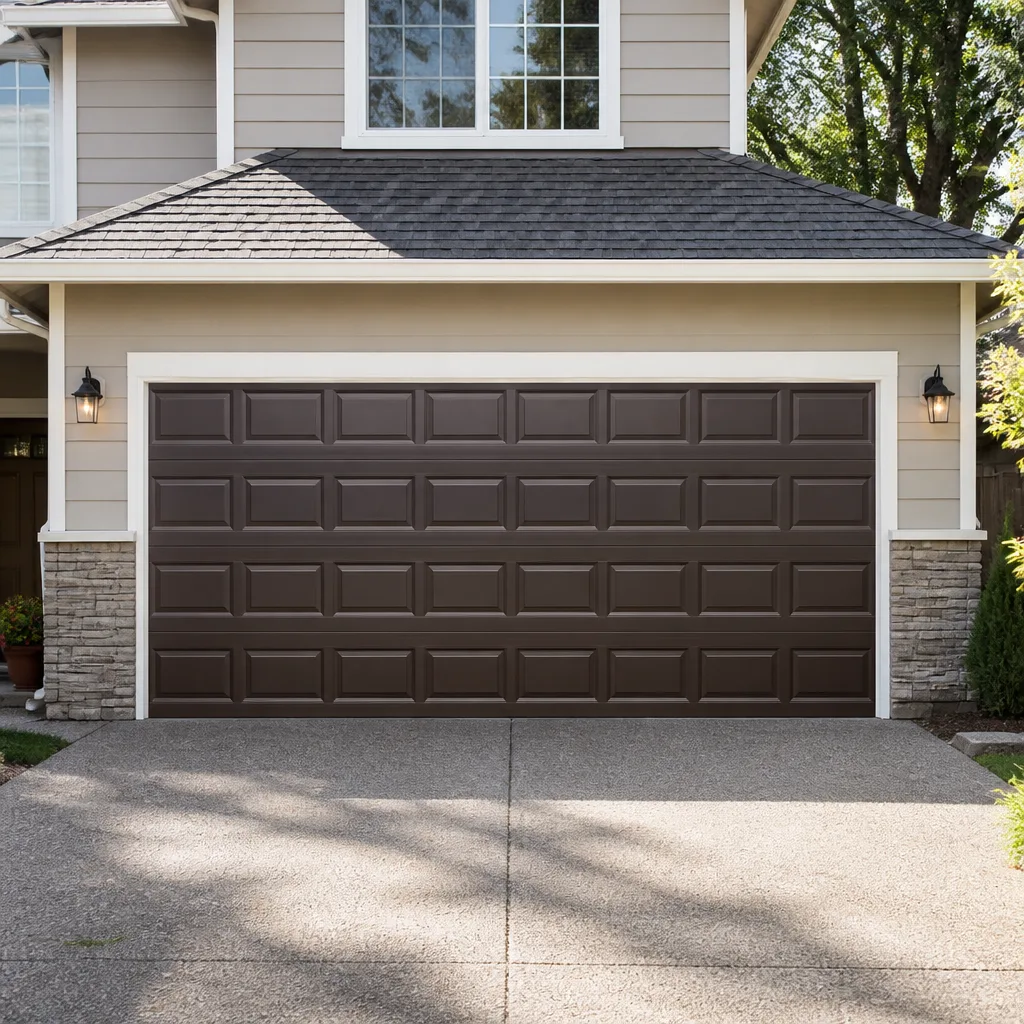 Raised-panel steel
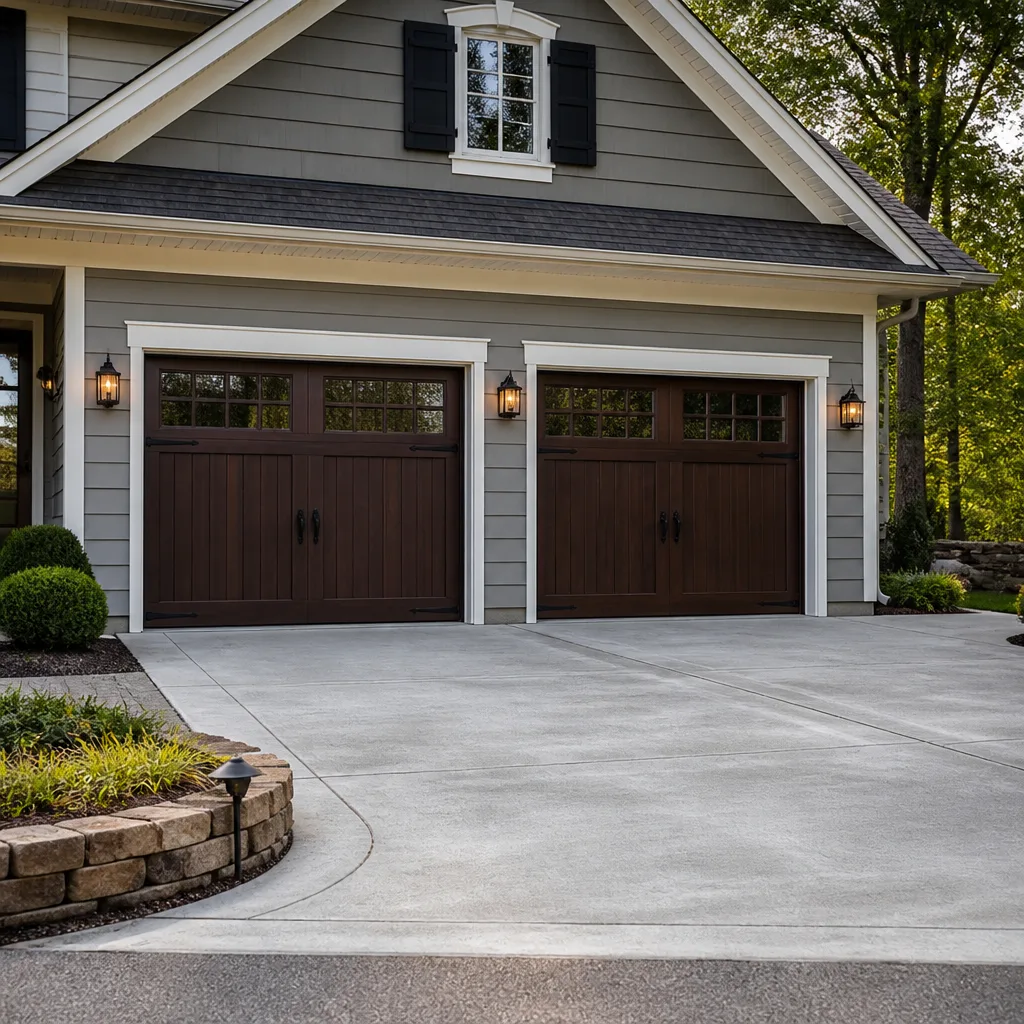 Carriage house
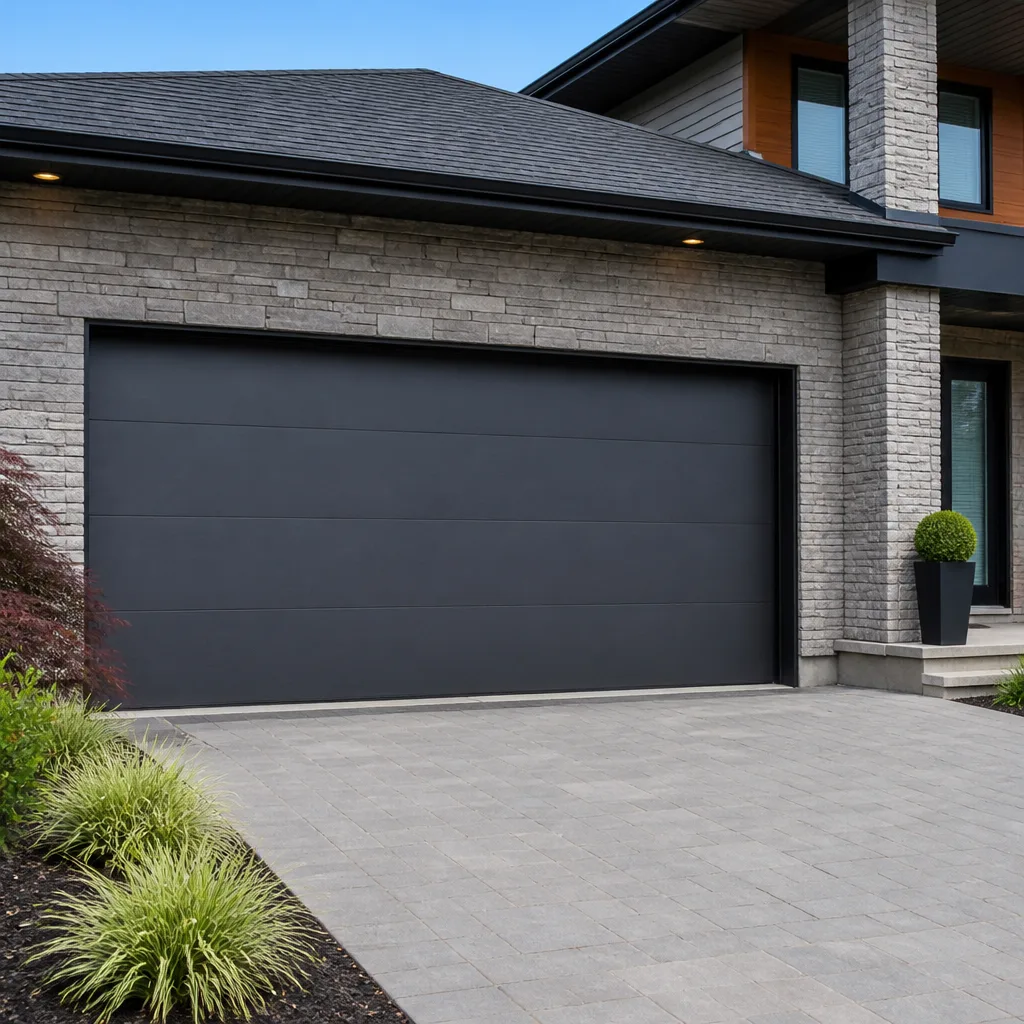 Modern flush
 Full-view glass
 LiftMaster openers
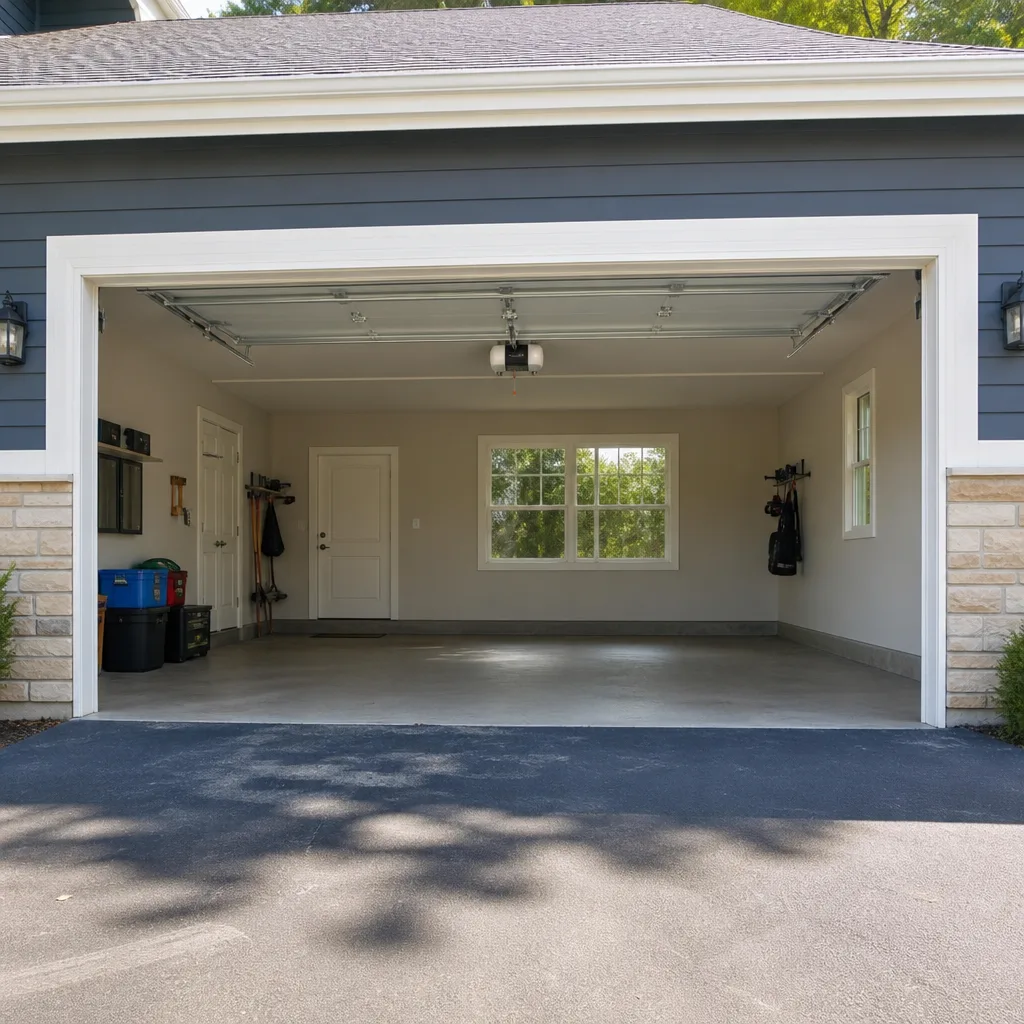 Chamberlain openers
Full 25-point door and opener safety check with every visit - springs, cables, rollers, tracks, and your LiftMaster or Chamberlain opener included
You get a price before we start. It does not change when the truck arrives.
Get your free estimateGarage Door Permits, Codes & Inspections in FL: What You Need to Know
Here’s a statistic most Fort Lauderdale homeowners never hear until it’s too late: after Hurricane Irma, Broward County building officials found that nearly 40% of garage door failures during the storm involved doors installed without permits. Those homeowners didn’t just face repair bills. Several had insurance claims denied outright because the door on the house wasn’t the door the insurer thought it was. This guide covers what actually triggers a permit in Florida, what Broward County inspectors look for, and what happens when you skip the paperwork. For more related information, see our Garage Door Warning Signs: A Fort Lauderdale Homeowner’s Reference Guide. If you own a home in Fort Lauderdale, this is the information contractors hope you never read.
Styles & brands we work with
Quick Answer
In Florida, a building permit is required whenever you replace a garage door, change its structural framing, or install a new opening, but not for routine repairs like replacing springs, rollers, or panels on an existing permitted door. Broward County enforces Florida Building Code wind-load standards that require impact-rated or wind-load-rated doors with specific design pressure ratings. Most garage door replacements in Fort Lauderdale require a permit, an inspection, and documentation proving the door meets FBC Chapter 16 requirements for the High Velocity Hurricane Zone.
Table of Contents
- When a Permit Is Required in Broward County
- Florida Wind-Load Requirements Explained
- What a Broward County Garage Door Inspection Actually Involves
- The Real Cost of Unpermitted Garage Door Work
- Who Is Responsible When a Permit Fails: Contractor or Homeowner
- What “Like-for-Like” Replacement Really Means Under Florida Law
- Openers, Springs, and Repairs: Where the Line Is
- Common Mistakes to Avoid
- When to Call a Professional
- Frequently Asked Questions
- The Bottom Line
When a Permit Is Required in Broward County
Broward County follows the Florida Building Code, which treats garage doors as both structural components and part of the wind-resistance system of a home. The rule is straightforward: you need a permit when the door itself is replaced, but not when existing components are repaired. We’ve worked on homes from Coral Ridge to Victoria Park, and the confusion we hear most often is about where “repair” ends and “replacement” begins. Our Garage Door Repair Troubleshooting: Common Problems and How to Fix Them can help clarify common repair scenarios.
Work that requires a Broward County permit:
- Replacing an entire garage door, even if the new door looks identical to the old one
- Installing a garage door in a new opening or widening an existing opening
- Replacing the garage door frame, jambs, or header
- Converting a carport into an enclosed garage
- Installing a hurricane-rated door where a non-rated door previously existed (this changes the wind-load profile of the structure)
- Any structural modification to the wall surrounding the garage door
Work that generally does not require a permit in Broward County:
- Replacing garage door springs, even when converting from extension to torsion springs
- Replacing rollers, hinges, brackets, or cables on an existing door
- Replacing a damaged panel or section on an existing permitted door
- Replacing the garage door opener
- Replacing weather stripping, seals, or bottom rubber
- Repainting or refinishing a door without changing its structural rating
In Fort Lauderdale specifically, the city follows Broward County building regulations. If your door was originally permitted, the city has a record of it. If a contractor tells you they can replace your door without a permit and “nobody will know,” they’re wrong twice: the city can find out, and your insurer can find out, and both scenarios are expensive.
Florida Wind-Load Requirements Explained
Florida Building Code Chapter 16 sets wind-load requirements for every exterior structural component, and garage doors get treated harshly for a good reason. When a garage door fails during a hurricane, the wind enters the garage, pressurizes the space, and often blows the roof off the house. A garage door isn’t just a door in Florida. It’s part of the structural integrity of the building. That’s why Broward County, which sits in the High Velocity Hurricane Zone, requires garage doors to meet specific design pressure ratings.
Here’s what the numbers on your door label actually mean:
- Design Pressure (DP) Rating: This is the maximum wind pressure the door is certified to withstand. In Broward County, most homes require a DP rating of 50 or higher, but homes within one mile of the coast or on barrier islands may require higher ratings. The exact number depends on your home’s location, height, and exposure category.
- Impact Rating: Doors must either be impact-rated (tested against flying debris) or protected by an approved impact-resistant cover. Fort Lauderdale is a wind-borne debris region, which means impact protection is mandatory, not optional.
- Product Approval Number: Every code-compliant door in Florida carries a Florida Product Approval number, starting with “FL.” Inspectors verify this number against the state database during inspection.
- Wind Speed Zone: Broward County generally falls under the 170 mph to 180 mph wind speed zone, depending on exact location. Your door must be rated for your zone.
When we install doors in neighborhoods like Imperial Point, Rio Vista, or Bayview, we check the specific wind-load requirements for that address before ordering the door. What works for a home in northwest Fort Lauderdale may not pass inspection for a house three blocks from the Intracoastal.
What a Broward County Garage Door Inspection Actually Involves
Once a permit is pulled and the door is installed, a Broward County building inspector visits the property. The inspection usually takes 15 to 30 minutes, and the inspector is verifying more than most homeowners expect. In our experience installing doors throughout Fort Lauderdale, the items that most often fail inspection are not the door panel itself but the hardware and installation details around it.
Here’s what the inspector checks, step by step:
- Product Approval Verification: The inspector matches the Florida Product Approval number on the door label to the number listed on the permit application. If they don’t match, the inspection fails immediately.
- Installation Instructions Compliance: Every Florida Product Approval includes specific installation instructions. The inspector verifies the door was installed according to those instructions, including the exact fasteners, brackets, and reinforcement specified. This is where we see many competitor installations fail, because the installer used generic hardware instead of the manufacturer-specified hardware.
- Track and Hardware Anchorage: The inspector checks that vertical tracks are anchored securely to the jambs, horizontal tracks are suspended properly from the ceiling, and all mounting brackets are fastened with the correct size and type of fasteners. In many Broward County homes, this means anchoring into concrete block or treated wood with specific anchor types.
- Opener Bracing: If the opener is being installed or replaced as part of the permit, the inspector verifies the opener is properly braced. The Florida Building Code requires opener mounting straps or brackets that resist uplift, not just the perforated angle iron straps that work fine in non-wind-load states.
- Wind-Load Reinforcement: Depending on the door’s design, the inspector may check for specific reinforcement struts, heavier gauge track, or additional hinges required by the product approval.
- Clearance and Operation: The inspector tests the door manually to confirm it operates smoothly and doesn’t bind, and verifies the safety reverse on any opener installation.
The inspection fee in Broward County is typically included in the permit cost, but re-inspection after a failure generally costs extra. That’s another reason the installation has to be right the first time.
The Real Cost of Unpermitted Garage Door Work
Here’s the part Broward County homeowners rarely hear from contractors who suggest skipping the permit. The building code violation is usually the smallest cost. The real cost shows up later, in ways that are hard to predict and expensive to fix.
Insurance Claim Denial: After a hurricane, insurance adjusters in Florida specifically check whether damaged garage doors had valid permits and met wind-load code at the time of installation. If your door was replaced without a permit, the adjuster may determine the door was not code-compliant. That gives the insurer grounds to deny not just the garage door claim but potentially the entire wind-related claim. We’ve heard from Fort Lauderdale homeowners who learned this during a claim, not before it. A $200 permit would have protected a $40,000 claim.
Property Resale Disclosure: Florida law requires sellers to disclose known unpermitted work on the Seller’s Property Disclosure. If you don’t disclose it and the buyer discovers the unpermitted door later, you can be held liable for the cost of bringing it into compliance, plus damages. If you do disclose it, buyers often demand a credit or walk away entirely. Either way, the unpermitted door costs you money at resale.
Code Enforcement Action: Broward County can issue a notice of violation if unpermitted work is discovered. The homeowner is then required to obtain an after-the-fact permit, bring the work into compliance, and pay penalties that often exceed the original permit cost several times over.
Lender Issues: If you refinance or take out a home equity loan, the lender’s appraisal may flag unpermitted work. Some lenders will refuse to close until the work is permitted and inspected.
The pattern is consistent across Fort Lauderdale, from Sailboat Bend to Tarpon River. Homeowners who skip the permit to save a few hundred dollars end up spending thousands fixing it, usually at the worst possible time.
Who Is Responsible When a Permit Fails: Contractor or Homeowner
Florida law places the primary responsibility on the contractor who pulls the permit. Under Florida Statute 489, the qualifying contractor who obtains the permit is responsible for the work meeting code. But the homeowner’s role is larger than most people realize, and the practical outcome depends on what’s written in your contract.
When the contractor is responsible:
- The contractor pulls the permit and fails the inspection because of an installation error. The contractor must correct the work and schedule re-inspection at their cost.
- The contractor installs a door that doesn’t meet the wind-load requirements stated on the permit. Since the contractor specified the door, the contractor owns the correction.
- The contractor fails to schedule the inspection or abandons the job before inspection. The permit stays open, which creates problems for the homeowner down the line, and the contractor is in violation.
When the homeowner could be responsible:
- The homeowner chose a door against the contractor’s recommendation, and that door doesn’t meet code. If you insist on the cheapest door and it fails, that’s on you.
- The homeowner hired an unlicensed contractor and no permit was pulled. In this case, the homeowner is considered to have performed the work without a permit, and the homeowner bears the full weight of the violation.
- The homeowner signed a contract that specifically shifted permit compliance to the homeowner. These contracts exist, and homeowners sign them without reading them.
The bottom line for Fort Lauderdale homeowners: hire a contractor who pulls the permit in their own name and stands behind the inspection. That’s how we handle every Garage Door Installation in Fort Lauderdale we complete. The permit is in our name, the inspection is our responsibility, and the homeowner gets a closed permit with a passing inspection.
What “Like-for-Like” Replacement Really Means Under Florida Law
The phrase “like-for-like” gets thrown around constantly in garage door estimates, but under Florida Building Code it has a specific meaning that’s narrower than most contractors imply. Here’s what it actually means and doesn’t mean.
Under FBC Section 105, a like-for-like replacement is the replacement of a component or system with one that has the same size, same function, and same or better structural performance characteristics. For a garage door, this means the replacement door must be the same dimensions and must carry a Florida Product Approval with a design pressure rating equal to or greater than the original door’s rating.
What like-for-like does NOT mean:
- It does not mean “same size door, any material.” Replacing a wind-rated steel door with a non-rated wood door of the same size is not like-for-like, even if the opening dimensions are identical.
- It does not mean the permit can be skipped. A like-for-like replacement still requires a permit in Broward County when the entire door assembly is replaced.
- It does not mean the original door doesn’t matter. If the original door was 20 years old and pre-dates current wind-load standards, the replacement must meet current standards, not the standards from 2005.
- It does not mean the door can be field-modified to fit. Cutting a door to size, altering its reinforcement, or modifying its hardware voids the product approval and causes inspection failure.
The practical takeaway for a Fort Lauderdale homeowner: when a contractor says “like-for-like, no permit needed,” they’re either misinformed or taking a shortcut. Neither one works in Broward County. Gateway Garage Door Repair home has the installation experience to tell you in the first conversation whether your project needs a permit and what the inspection will require.
Openers, Springs, and Repairs: Where the Line Is
Most garage door work in Fort Lauderdale does not require a permit, and knowing exactly where that line sits can save you from paying for permits you don’t need or skipping permits you do need. For a detailed breakdown of maintenance tasks, refer to our Garage Door Repair Maintenance Checklist for Fort Lauderdale Homeowners. Here’s the clear breakdown.
Garage door opener repair and replacement: no permit. The opener is considered an appliance, not a structural component. Replacing a LiftMaster opener with a Genie opener, upgrading to a Chamberlain myQ smart opener, or swapping out a worn Raynor unit doesn’t require a permit in Broward County. Keep in mind that Garage Door Opener Repair in Fort Lauderdale is the service you call when the opener is the problem, and no permit applies.
Spring replacement: no permit. Torsion spring replacement is the most common garage door repair we perform, and it never requires a permit. Converting from extension springs to torsion springs doesn’t require one either. The springs are mechanical components, not structural.
Panel and section replacement: no permit, with one caveat. Replacing a single damaged panel on an existing door does not require a permit, as long as the door’s structural characteristics don’t change. But if you’re replacing all four panels of a sectional door one at a time over several months, you’re effectively replacing the door, and a sharp inspector who notices the work could treat it as an unpermitted replacement. The practical rule: one or two panels is a repair. Three or more is a replacement.
Full Garage Door Repair in Fort Lauderdale where the door stays in place: no permit. This covers spring failures, broken rollers, bent tracks, snapped cables, and the other everyday failures that make a garage door unusable. The door itself isn’t changing, so the wind-load system isn’t affected.
Door replacement, any door, any reason: permit required. This is the line we never cross. If the door comes off the wall and a new door goes up, we pull a permit. No exceptions.
Common Mistakes to Avoid
- Skipping the permit because “it’s just a garage door.” In Broward County, that garage door is a wind-load component. A failed door can lead to total roof loss during a hurricane. Building officials take this seriously, and so do insurance companies.
- Hiring a contractor who asks you to pull the permit as an owner-builder. This is a red flag. Owner-builder permits exist for homeowners doing work themselves, not for homeowners who paid a contractor. If the contractor won’t pull the permit, walk away.
- Replacing a door without checking the Florida Product Approval number on the new door. Not every door sold in Florida can be installed in Broward County. Verify the FL approval number and the design pressure rating against your home’s requirements before you pay the deposit.
- Accepting a “verbal promise” about permits. The contract should state in writing who pulls the permit, who schedules the inspection, and what happens if the inspection fails. Verbal promises are worth nothing when the inspector shows up.
- Ignoring the opener bracing requirement. In a wind-load installation, the opener needs specific bracing to resist uplift. A standard opener mounting job from a non-Florida installer often fails inspection on this point. We see it regularly in older Fort Lauderdale homes.
- Buying a door online and hiring a handyman to install it. The door may have a valid product approval, but if the handyman doesn’t follow the installation instructions to the letter, the inspection fails and the door’s warranty is void.
- Waiting until hurricane season to check permit status. If your existing door was installed by the previous owner without a permit, you won’t know until you check. Pull the permit record from Broward County before hurricane season starts. Finding out during a claim is the worst possible timing. If the door needs to be brought into compliance, it’s a scheduled job, not an emergency.
When to Call a Professional
Any time a permit is involved, a licensed Florida contractor should be handling the work. If you’re replacing a garage door in Fort Lauderdale, that means a contractor who pulls the permit in their name, installs the door according to the product approval, and stands behind the inspection. If you’re unsure whether your existing door is permitted, the Broward County building department can verify it, and a qualified contractor can assess the door’s current wind-load rating against your home’s requirements. A door that passed code in 2008 may not meet current standards, and upgrading before a storm beats discovering the gap afterward. Gateway Garage Door Repair offers free estimates in Fort Lauderdale, call (844) 713-7316.
Frequently Asked Questions
A garage door replacement permit in Broward County typically costs between $150 and $400, depending on the value of the door and the specific permit fees assessed. The exact amount depends on the door’s cost and the inspection fees that apply. Call (844) 713-7316 and we can tell you the current permit fee for your specific project.
No. Under Florida law, a homeowner can act as an owner-builder and pull their own permit, but the permit is still required. Installing a wind-load-rated door without any permit violates Florida Building Code and Broward County regulations. The inspection still has to pass, and installing a wind-rated door correctly is not a casual weekend project.
No. Garage door openers are considered appliances, not structural components. Replacing or repairing an opener, regardless of brand, does not require a permit. We replace and service openers from Wayne Dalton, LiftMaster, Craftsman, and Chamberlain without any permit process because the wind-load structure of the home doesn’t change.
The required rating depends on your home’s location, height, and exposure category. Most Fort Lauderdale homes need a design pressure rating of 50 or higher, but coastal homes and barrier island properties may need higher ratings. The exact requirement is determined by the Florida Building Code wind speed maps and your home’s specific siting.
Florida law requires you to disclose known unpermitted work on the Seller’s Property Disclosure. If you don’t disclose it and the buyer finds out later, they can pursue you for the cost of compliance. If you do disclose it, many buyers will demand a credit or a price reduction. Either way, the unpermitted door costs you at resale.
No. Spring replacement, whether torsion or extension, is considered a repair of an existing component and doesn’t require a permit. The structural wind-load characteristics of the door don’t change. The work should still be done by a trained professional because torsion springs are under extreme tension. A spring that releases unexpectedly can cause serious injury.
For a standard residential replacement, the permit can usually be issued within a few business days, and the inspection is scheduled after installation. The total timeline from permit application to passing inspection is typically 2 to 4 weeks, depending on the building department’s current volume. Emergency repairs don’t need permits, so a broken spring can be fixed same-day.
The price is quoted and agreed before any work starts. What can change a quote after the fact is discovering the existing door was unpermitted or the opening requires structural modification. That’s why we verify permit status and take measurements before finalizing a quote. Call (844) 713-7316 for an exact quote, estimates are free.
The Bottom Line
Garage door permits in Florida aren’t bureaucratic busywork. They’re the record that proves your door meets wind-load code, and that record is what your insurer checks after a hurricane and what your buyer checks at closing. In Fort Lauderdale, where the High Velocity Hurricane Zone applies, a permitted, inspected, wind-rated door is the difference between a claim that gets paid and a claim that gets denied. Repairs don’t need permits, but replacements always do. Hire a contractor who pulls the permit in their own name and stands behind the inspection. Your door is your home’s first line of defense against storm-force wind. Don’t leave its certification to chance.
Written by the team at Gateway Garage Door Repair, serving Fort Lauderdale since 2014.
See the difference
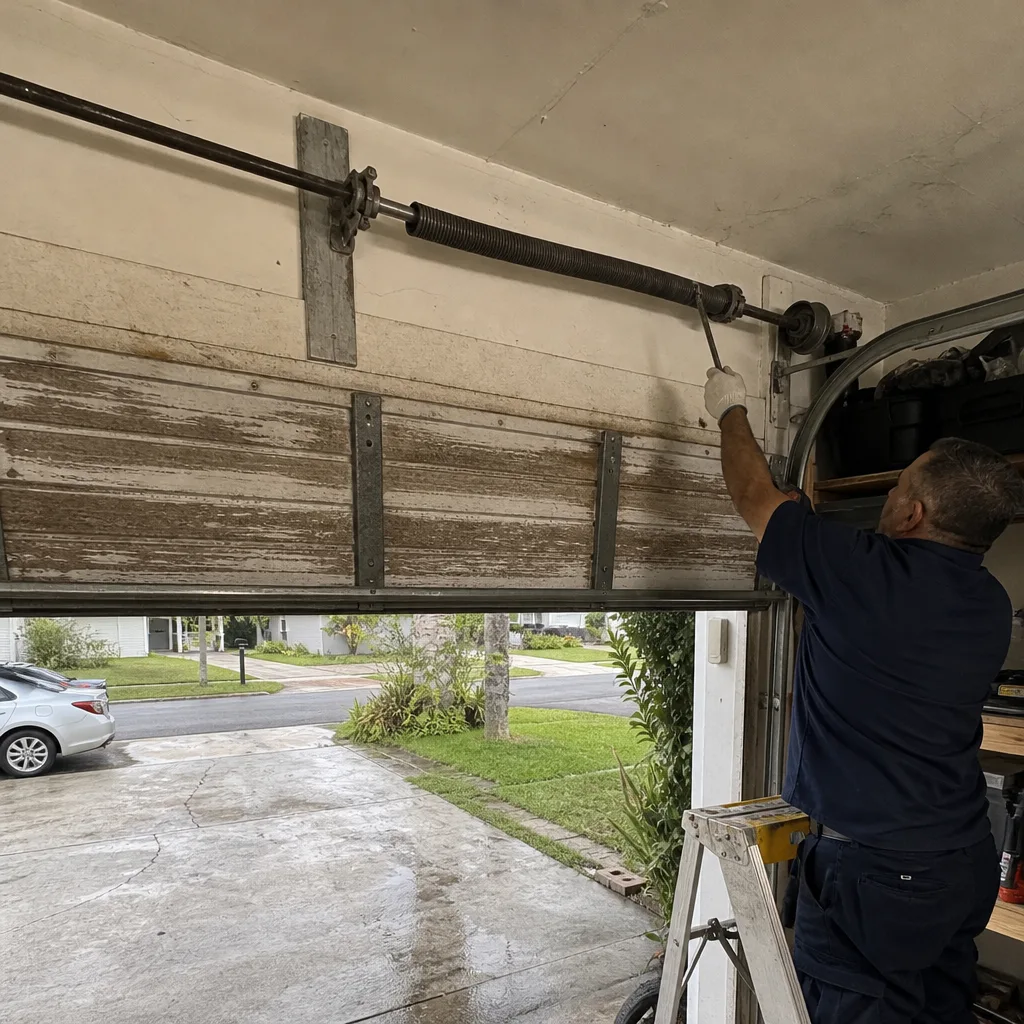 Before
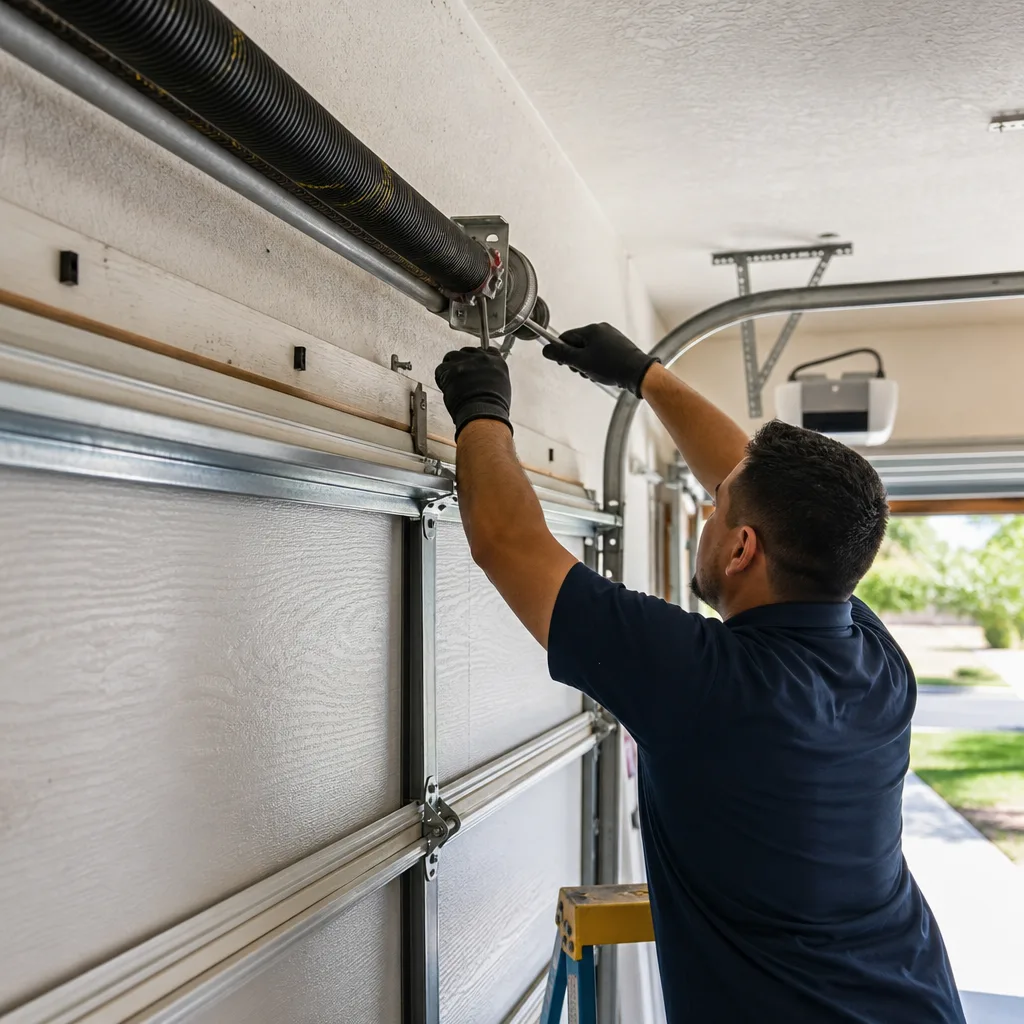 After
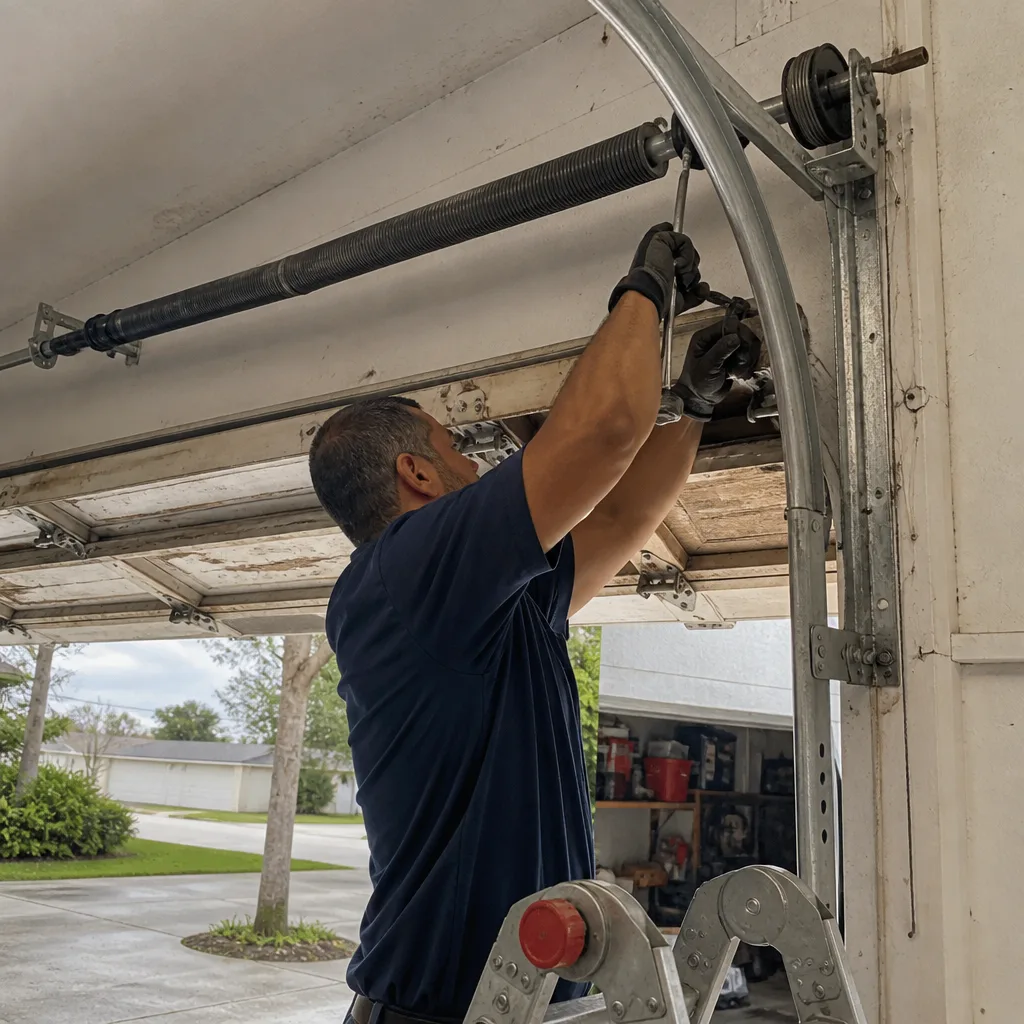 Before
 After
 Before
 After