
Last updated October 30, 2026
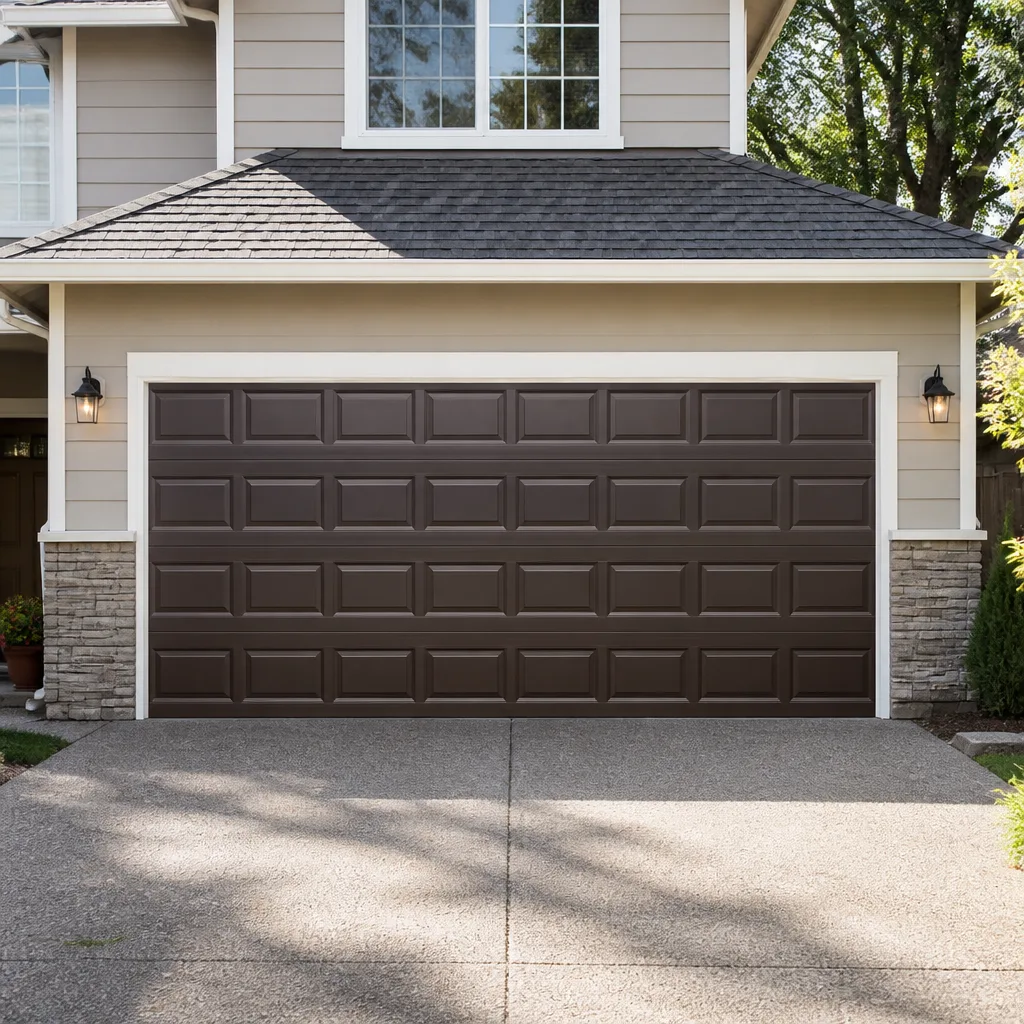 Raised-panel steel
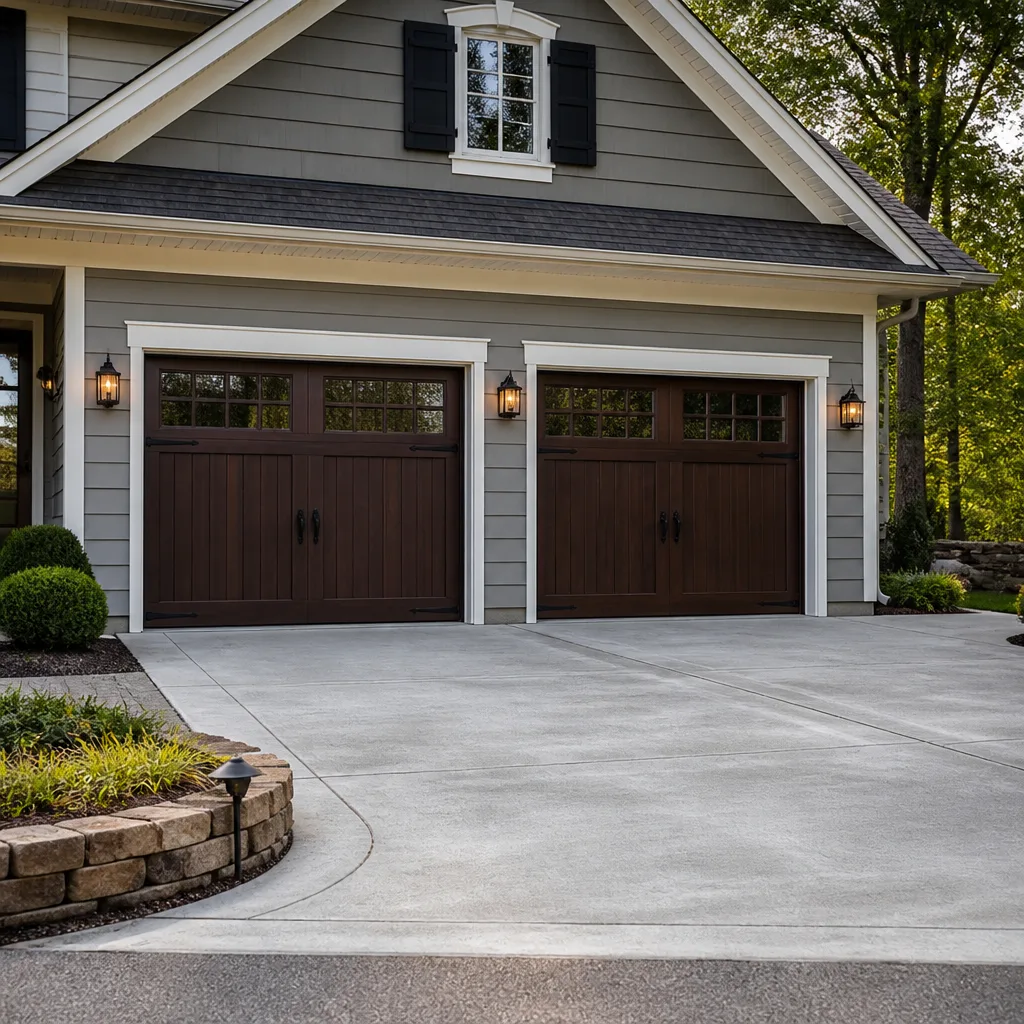 Carriage house
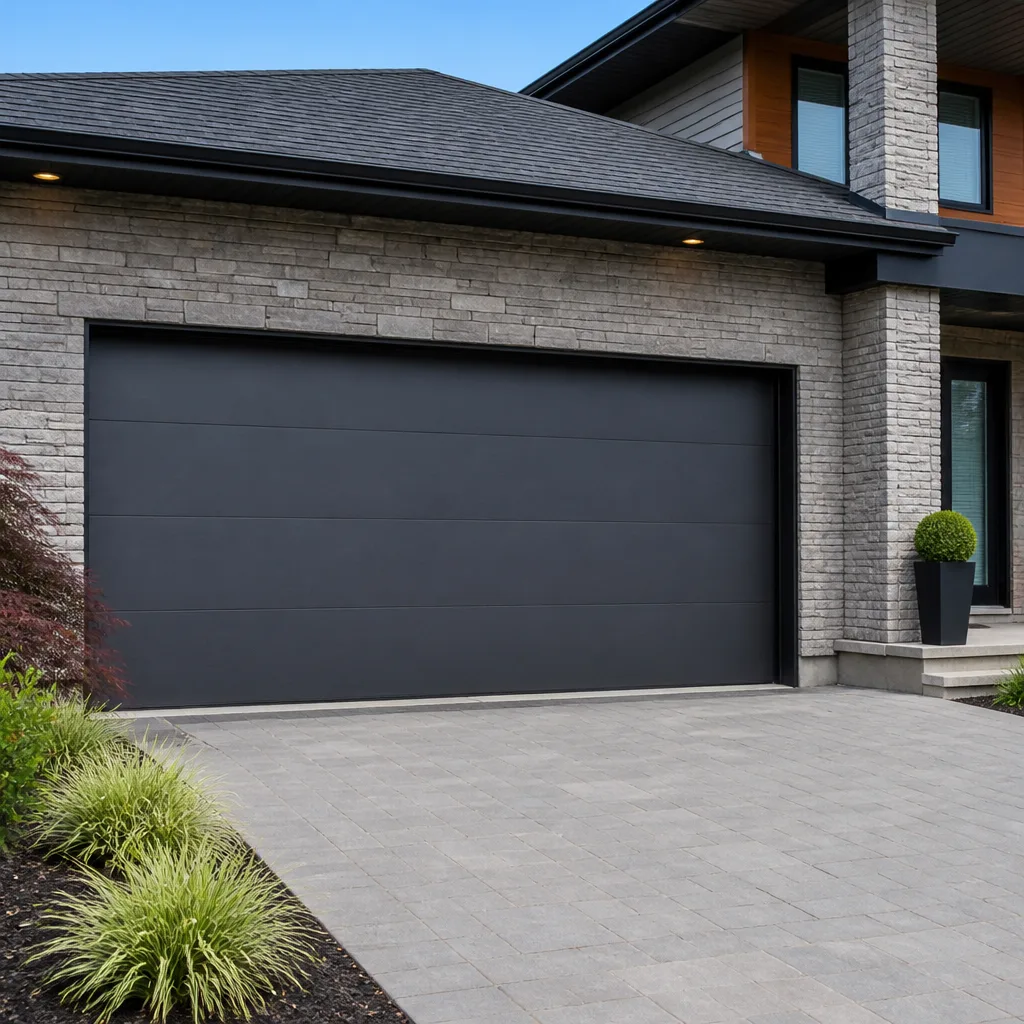 Modern flush
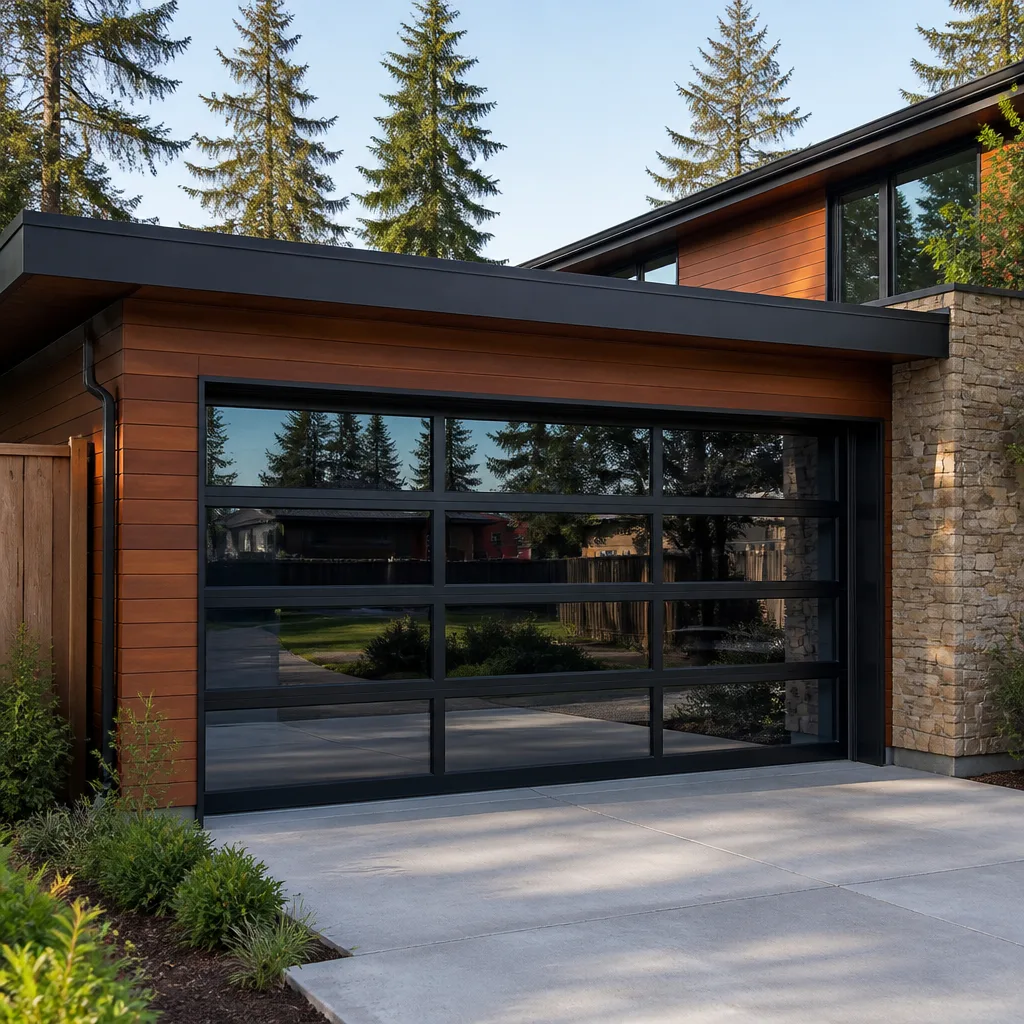 Full-view glass
 LiftMaster openers
 Chamberlain openers
Full 25-point door and opener safety check with every visit - springs, cables, rollers, tracks, and your LiftMaster or Chamberlain opener included
You get a price before we start. It does not change when the truck arrives.
Get your free estimateGarage Door Repair Troubleshooting: Common Problems and How to Fix Them
The number-one waste of money in DIY garage door repair isn’t bad tools or cheap parts. It’s replacing a $30 sensor when the real problem is a $4 travel-limit adjustment on the opener. Or buying a new remote because the door won’t respond, when the actual culprit is a disconnected carriage on the opener rail. In Fort Lauderdale, where humidity and salt air accelerate wear on rollers, springs, and circuit boards, homeowners face a steady stream of garage door issues. This guide walks you backward from the symptom you can see or hear to the actual root cause, so you stop spending money on parts that were never broken. For related reading, see our Garage Door Warning Signs: A Fort Lauderdale Homeowner’s Reference Guide. We’ll cover the diagnostic tree, the safety checks, the deceptive symptoms, and the exact moment to put the tools down and call a professional.
Styles & brands we work with
Quick Answer
Most garage door problems trace back to one of four root causes: a broken or worn spring, misaligned or blocked safety sensors, an opener with incorrect travel-limit or force settings, or a disconnected carriage/coupler between the opener and the door. Start by observing whether the door moves at all, whether it reverses immediately after touching the floor, or whether the opener motor runs but nothing happens. If the problem involves torsion springs, cables under tension, or a door that has come off its tracks, stop troubleshooting and call a trained technician. For everything else, work through the sections below, and you’ll likely find the fix in under 30 minutes. If you need our Garage Door Repair services, we’re here to help.
Table of Contents
- Symptom-First Diagnostic Tree: Trace What You See to the Real Cause
- Mechanical vs. Electronic Failure: How to Tell Before Touching Anything
- Three Safety Checks Before Any Hands-On Troubleshooting
- Deceptive Symptoms: Why a Door That Looks Fine but Won’t Open Is Almost Never the Remote’s Fault
- Noise Diagnostics: What Grinding, Squealing, and Rattling Actually Mean
- Opener Runs but Door Stays Still: The Disconnect Problem
- Door Reverses Before or After Hitting the Floor: Sensor and Force Issues
- Fort Lauderdale-Specific Factors: Humidity, Salt Air, and Storm Season
- Common Mistakes to Avoid
- When to Call a Professional
- Frequently Asked Questions
- The Bottom Line
Symptom-First Diagnostic Tree: Trace What You See to the Real Cause
Forget the parts catalog for a moment. Instead, start with the symptom. Every garage door failure announces itself in one of four ways, and each one points to a different branch of the diagnostic tree. Once you know which branch you’re on, you can stop guessing.
Symptom 1: The Door Won’t Move at All
If you press the wall button or remote and nothing happens, no sound, no movement, the problem is almost always electrical. The opener isn’t receiving power, the logic board has failed, or a safety circuit is interrupted. Before assuming the worst, check these in order:
- Confirm the opener has power. Is the opener plugged in? Is the outlet live? In Fort Lauderdale, storm-season power surges commonly trip the GFCI outlet that many openers share with garage refrigerators or exterior lighting. Reset the outlet and try again.
- Check the safety sensor circuit. If either sensor near the floor blinks or stays dark, the opener receives a “blocked” signal and refuses to run. Align the sensors, clear any obstruction, and tighten the wiring at the back of each sensor.
- Try the wall console. If the remote doesn’t work but the wall button does, the remote is the issue, not the opener. Replace the remote battery first; if that fails, the remote may need reprogramming to the opener’s receiver.
- Listen for a click. If you hear a soft click but the motor doesn’t engage, the starter capacitor in the opener motor may have failed. This is common on older Craftsman and Genie units after years of Florida heat exposure.
Symptom 2: The Door Reverses Immediately After Touching the Floor
This is the classic “won’t stay closed” complaint. The door goes down, hits the floor, then shoots back up. Most people blame the sensors. Often they’re wrong. The more common culprit on modern LiftMaster and Chamberlain openers is the down-force setting. If the opener senses too much resistance as the door contacts the floor, it reverses by design. Adjusting the down-force limit on the opener takes five minutes and costs nothing. In older Wayne Dalton and Raynor systems, worn out travel-limit contacts inside the opener produce the same symptom, and those usually require replacement.
Symptom 3: The Door Moves but Makes Grinding or Squealing Noise
Noise is information. A deep grinding sound when the door moves usually means failing rollers or a hinge that has lost its bearing. A high-pitched squeal points to dry or worn rollers rubbing against the track. A rattling or chattering noise near the top of the door often indicates a loose torsion spring mounting bracket. None of these are electronic. They are all mechanical, and they all get worse if ignored.
Symptom 4: The Opener Runs but the Door Stays Still
You hear the motor humming or the drive belt moving, but the door doesn’t budge. This is the classic symptom of a disconnected carriage or a failed coupler between the opener and the door. In some cases, the emergency release cord has been pulled accidentally. In others, the gear-and-sprocket assembly inside a Chamberlain or LiftMaster opener has stripped. Both are fixable, but only one is a DIY job.
Mechanical vs. Electronic Failure: How to Tell Before Touching Anything
Before you reach for a screwdriver, determine which half of the system has failed. The garage door is two machines bolted together. One is mechanical: springs, cables, rollers, hinges, tracks. The other is electronic: the opener motor, logic board, sensors, remote, and wall console. They fail differently, and they need different fixes.
Mechanical failures announce themselves physically. You hear metal on metal. You see a gap in a spring. You notice the door hanging crooked or a cable dangling loose. The door may be heavy when you try to lift it manually, which tells you a spring isn’t doing its job. In Fort Lauderdale, salt air corrodes roller bearings and hinge pins, so mechanical failures here often show up as rust-colored dust around the hinges or a gritty feel when the door moves.
Electronic failures announce themselves electrically. The opener refuses to respond. The sensor lights blink in patterns that correspond to error codes. The remote works intermittently or not at all. The motor hums but doesn’t engage. Or the door reverses for no visible reason, which is nearly always an electronic sensing issue, not a physical obstruction.
Why does this distinction matter? Because if you misdiagnose a mechanical failure as an electronic one, you’ll spend money on sensors and remotes while a cable continues to fray. And if you misdiagnose an electronic failure as mechanical, you’ll replace rollers and hinges while a failing logic board keeps causing erratic behavior. Here’s a helpful rule: if the door moves when you disengage the opener (pull the red emergency release cord and lift the door by hand), the door itself is probably fine, and the problem is electronic. If the door is too heavy to lift by hand or feels bound, the problem is mechanical, and a spring or cable has likely failed.
Gateway Garage Door Repair works on both sides of this system, the door itself and the opener, which is why our technicians are trained across all eight major brands including LiftMaster, Chamberlain, Genie, Clopay, Amarr, Wayne Dalton, Craftsman, and Raynor. For How to Hire a Garage Door Contractor in Fort Lauderdale: A Step-by-Step Guide, see our blog. When you call us, one visit covers the complete system, not just half of it.
Three Safety Checks Before Any Hands-On Troubleshooting
Garage doors are the heaviest moving object in your home. A standard 16-foot double door weighs between 250 and 400 pounds. The torsion springs above the door hold enough tension to lift that weight every time the door opens, and if that tension releases suddenly, it can cause catastrophic injury. These three checks are non-negotiable, especially with torsion spring systems, which are standard on modern doors.
Check 1: Visually Inspect the Torsion Spring for Gaps or Separation
Stand inside the garage with the door closed and look up. Above the door, mounted on a metal tube, you’ll see one or two coiled springs. If a spring is broken, you’ll see a visible gap in the coil, usually about two inches wide. A broken spring is not a DIY repair. The spring is under extreme tension even when broken, and attempting to remove or replace it without the proper winding bars and training can result in serious injury. Call a professional. This is the one repair where every experienced technician draws the line for homeowners.
Check 2: Confirm the Door Is Secure on Its Tracks
If the door has come off one or both tracks, do not attempt to force it back on. A door that has jumped a track is unstable and can fall. The cables connecting the door to the spring system may also be damaged, which means additional components are holding the door’s weight. This is another hard stop. Call a technician.
Check 3: Never Touch a Cable Under Tension
The cables that run vertically along each side of the door are under the same tension as the springs. If a cable has frayed or snapped, one side of the door may drop suddenly. Do not grab, adjust, or attempt to reattach a cable. Do not loosen any bolts on the bottom bracket where the cable attaches. Cables and springs work together, and both require trained handling.
For everything else, sensors, remotes, limit adjustments, lubrication, the hands-on work is safe when the door is in the fully open or fully closed position and the opener is unplugged.
Deceptive Symptoms: Why a Door That Looks Fine but Won’t Open Is Almost Never the Remote’s Fault
Here’s a scenario we see at least once a week in Fort Lauderdale. A homeowner tells us the garage door won’t open. The door looks fine. The opener makes noise. The remote battery is new. They’ve tried everything, and they’re sure the remote is bad. So they buy a new remote, program it, and the door still won’t open.
The real problem? A broken spring. When a torsion spring breaks, the opener motor runs but can’t lift the weight of the door alone. The door stays closed, or it lifts an inch or two and stops. The homeowner sees a door that looks normal from the inside, because the spring gap isn’t visible from ground level without looking up. They assume the opener isn’t receiving the signal, when in fact the opener is receiving the signal fine, it just can’t do the job by itself.
This is the single most common misdiagnosis in garage door repair. The remote is almost never at fault when the door won’t move from a fully closed position. Before blaming the remote, disengage the opener and try to lift the door manually. If it feels unusually heavy, the spring has failed. If it lifts easily, then the remote or opener electronics may indeed be the issue. But check the spring first. In our experience working on doors across Fort Lauderdale, from Victoria Park to Coral Ridge, homeowners who diagnose the spring before buying a new remote save themselves both money and frustration.
When a door is too heavy for the opener to lift, continued attempts can burn out the opener motor. We’ve seen doors with broken springs that damaged the opener gear because the homeowner kept pressing the button hoping the door would somehow move. If the spring is broken, stop using the opener immediately and call for service.
Noise Diagnostics: What Grinding, Squealing, and Rattling Actually Mean
Garage doors talk. Every sound they make is a diagnostic clue, and once you learn the language, you can often identify the exact part that’s failing before you ever get on a ladder.
Grinding or rasping during movement: This usually indicates failing rollers. Metal rollers with worn bearings grind as they travel along the track. Nylon rollers with worn bearings produce a softer rumble. Either way, the roller is no longer spinning smoothly, and the flat spot on the wheel is dragging against the track. In Fort Lauderdale’s coastal air, roller bearings corrode from the inside out, so a roller that looks fine externally may have already seized. Replacement is straightforward for a homeowner with a pair of pliers and a socket wrench, but only for the bottom rollers. Top rollers are near the cable attachment points and should be left to a technician.
Squealing or high-pitched noise: This comes from metal-on-metal friction. The usual suspects are dry hinges, dry rollers, or a door that’s slightly misaligned and rubbing the track. A silicone-based lubricant on the hinges and roller stems often solves it. Don’t lubricate the track itself; it attracts dust and makes the problem worse. If the squeal persists after lubrication, a roller bearing is failing, and replacement is the fix.
Rattling or chattering near the top of the door: When the torsion spring mounting bracket loosens, the entire spring assembly vibrates against the header. This produces a distinctive rattle every time the door moves. Tightening the bracket bolts resolves it. But if the spring itself is chattering against the center bearing, the bearing is worn, and that’s a repair that involves working near the tensioned spring, so it belongs to a professional.
Thumping or banging when the door stops: This points to worn out travel limits or a loose opener chain. If the door slams hard at the top or bottom of its travel, the opener’s limit settings are off. Adjusting them is a five-minute job with a screwdriver on most LiftMaster, Chamberlain, and Genie openers. Check your opener’s manual for the location of the limit adjustment screws or buttons.
Opener Runs but Door Stays Still: The Disconnect Problem
You press the button. The motor runs. The drive belt or chain moves. But the door doesn’t. This is not a spring problem. This is a disconnection between the opener’s drive system and the door itself.
Every garage door opener connects to the door through a carriage, also called a trolley. The carriage rides along a rail above the door, and it’s what the belt or chain pulls to move the door. Here’s what to check, in order:
- Check the emergency release cord. The red cord hanging from the opener rail is designed to disconnect the carriage from the drive mechanism so you can open the door manually during a power outage. If someone pulled it, the carriage is disengaged. Reconnect it by pulling the cord toward the door while pressing the wall button until the carriage re-engages with the drive.
- Inspect the carriage itself. On older Craftsman and Wayne Dalton openers, the carriage is made of plastic or nylon. After years of use, the teeth that grip the drive screw or chain can strip. When this happens, the drive moves but the carriage doesn’t, and the door stays put. The fix is a new carriage assembly, which is a moderately involved repair but doable for a confident DIYer.
- Check the coupler on the motor shaft. Chamberlain and LiftMaster openers built in the last 15 years use a plastic coupler between the motor and the drive gear. When the door is forced or the spring fails, the coupler is designed to break first, protecting the more expensive motor. A broken coupler is visible as cracks or complete separation at the connection point. Replacement kits are available, and the job takes about an hour.
- Look for a stripped gear. If the motor runs but the drive sprocket doesn’t turn, the internal gear has likely stripped. This is common in openers that have been fighting a heavy door with a broken spring. The gear replacement is possible, but if the opener is more than 10 years old, replacement of the entire opener often makes more financial sense.
In Fort Lauderdale, where garage doors get opened and closed multiple times a day, opener components wear faster than in colder climates where garages see less daily use. If your opener runs but the door doesn’t move, a disconnected carriage or stripped coupler is the most likely explanation.
Door Reverses Before or After Hitting the Floor: Sensor and Force Issues
The safety reverse system on your garage door opener is there for a reason. Since 1993, federal law has required every garage door opener sold in the United States to reverse when it encounters an obstruction. The system uses two mechanisms: the photoelectric sensors or “electric eyes” near the floor on each side of the door, and the opener’s internal force sensor, which detects resistance as the door moves.
When the door reverses before it ever touches the floor, the sensors are the likely culprit. Here’s the systematic approach:
- Check the sensor alignment. Each sensor has a light, usually green on one side and amber on the other. If either light is blinking or out, the sensors are not seeing each other. Loosen the mounting wing nut, adjust the sensor until the lights are steady, and tighten. This takes two minutes and fixes roughly half of all reversal complaints.
- Clear the path. Anything within six inches of the sensor on either side can trigger a false obstruction reading. This includes boxes, bicycles, gardening equipment, and even cobwebs. Fort Lauderdale garages accumulate salt residue and fine dust that can coat the sensor lenses, so wipe them with a dry cloth.
- Check the wiring. Sensor wires run along the wall to the opener. If a staple has cut through the insulation or a rodent has chewed the wire, the circuit breaks intermittently, and the sensors malfunction. Inspect the visible wire run for damage.
If the sensors are clean, aligned, and wired correctly, the problem is the force setting. When the down-force is set too low, the opener mistakes the normal resistance of the door touching the floor for an obstruction and reverses. Every opener has up and down force adjustment, either as dials on the opener body or as buttons on newer LiftMaster and Chamberlain models. Increase the down-force slightly, test the door, and repeat until the door closes completely and reverses only under genuine obstruction.
Fort Lauderdale-Specific Factors: Humidity, Salt Air, and Storm Season
Garage door repair in Fort Lauderdale has a different profile than in other parts of the country. Explore more guides & resources on our blog for additional tips. Our climate is hard on mechanical components. The humidity penetrates hinges and roller bearings, the salt air from the Atlantic accelerates corrosion on exposed metal parts, and the summer thunderstorm season brings power surges that can damage opener electronics. If you live near Las Olas, Rio Vista, or the beachside neighborhoods, your door’s components are aging faster than the same parts would in Orlando or Atlanta.
Rust is the most visible sign. Check your hinges and springs each spring for surface rust. A light coating of rust on the spring is normal, but deep pitting weakens the metal and leads to premature spring failure. Salt air also corrodes the copper wiring inside sensor connections, causing intermittent electronic failures that are hard to diagnose without a multimeter.
Storm season brings a different challenge: power surges. When lightning strikes nearby, the surge travels through your home’s electrical system, and garage door openers are frequent casualties. The logic board is the most sensitive component, and a surge can scramble its programming or fry the board entirely. If your opener worked fine yesterday and is completely unresponsive today, and there was a storm last night, the opener may need a new logic board or a full replacement. This is a job for a professional who can test the board and determine whether the motor itself survived.
Another Fort Lauderdale consideration: wood garage doors. They’re less common now than they were 30 years ago, but many older homes in neighborhoods like Poinsettia Heights and Croissant Park still have them. Wood doors absorb moisture, warp, and become heavier over time. A wood door that once worked fine with a 1/2 horsepower opener may now strain it. If you have a wood door and the opener is struggling, you may need a new door rather than a new opener. Gateway Garage Door Repair can help you decide, and we install both Clopay and Amarr doors, two of the most widely specified brands in residential construction and remodeling in South Florida.
Common Mistakes to Avoid
- Replacing the remote before checking the spring. As covered earlier, a door that won’t open from a closed position is usually a spring problem, not a remote problem. Replacing the remote first wastes $30 to $60 and leaves the real issue untouched.
- Lubricating the track. The track is not a lubrication point. Adding grease or oil to the track attracts grit, creates sludge, and makes the door bind. Lubricate the rollers, hinges, and springs instead.
- Adjusting the springs yourself. Torsion springs are under enough tension to break bones or worse. No adjustment, winding, or removal of springs should ever be attempted by a homeowner. This is the most dangerous DIY mistake in home repair.
- Ignoring a reversing door. A door that reverses when it hits the floor is telling you something. It may be a simple force adjustment, or it may be an early warning of a failing opener gear. Either way, ignoring it for weeks can turn a $5 adjustment into a $300 repair.
- Using the opener with a broken spring. When one spring breaks, the opener’s motor strains to lift the full weight of the door alone. This burns out the opener’s gear, doubling the repair cost. If the door is too heavy to lift by hand, stop using the opener.
- Painting over rust without treating it. In Fort Lauderdale’s humid climate, surface rust on hinges and springs spreads quickly. Painting over it seals the moisture in and accelerates corrosion underneath. Remove the rust first, then paint, or replace the part.
- Assuming all garage door companies work on all brands. Many companies specialize in one or two manufacturers and guess when confronted with anything else. If your door is a Wayne Dalton or Raynor, a company that mostly sees Clopay and Amarr installations may misdiagnose the problem. Gateway Garage Door Repair works on all eight major brands, including Wayne Dalton, Craftsman, and Raynor, so the diagnosis is based on the specific hardware on your door, not on a guessing game.
When to Call a Professional
Most troubleshooting in this guide is safe for a homeowner with basic tools and patience. But there are clear stop points. If you identify a broken torsion spring, stop immediately. If a cable is frayed or snapped, stop. If the door has come off its tracks, stop. If the opener motor runs but the door doesn’t move and the carriage and coupler are both intact, the problem is likely internal and requires disassembly of the opener. If you’ve worked through the electronic checks and the opener remains completely unresponsive, the logic board has failed. These are all situations where professional help is the correct call. Gateway Garage Door Repair offers free estimates in Fort Lauderdale, and our technicians arrive equipped to diagnose and repair doors from LiftMaster, Chamberlain, Genie, Clopay, Amarr, Wayne Dalton, Craftsman, and Raynor. Call (844) 713-7316 for an exact quote before any work begins, no surprises.
Frequently Asked Questions
Garage door repair in Fort Lauderdale typically ranges from $120 to $340 for most common repairs, including sensor alignment, roller replacement, and opener adjustments. Spring replacement runs higher, usually between $250 and $500 for a pair of springs. Prices vary based on the door’s brand and age. Call (844) 713-7316 for a free estimate, and you’ll get a fixed price before any work starts.
In most cases, yes. Gateway Garage Door Repair keeps common parts stocked for all eight major brands, including LiftMaster, Chamberlain, and Genie openers, so we can often complete the repair in one visit. Call (844) 713-7316 in the morning, and we’ll let you know when a technician can arrive.
No. The price we quote is the price you pay. We diagnose the problem, explain the repair, and agree on the cost before any work begins. If we find additional issues during the repair, we’ll stop and get your approval before proceeding.
Our trucks are stocked for the eight most widely installed garage door and opener brands: LiftMaster, Chamberlain, Genie, Clopay, Amarr, Wayne Dalton, Craftsman, and Raynor. This means we can usually complete the repair on the first visit without a second trip to a supply house.
Intermittent operation usually points to one of three causes: misaligned safety sensors that occasionally lose their connection, a failing logic board affected by heat or humidity, or a remote with a weakening battery. In Fort Lauderdale, the heat inside a garage during summer months can push an aging logic board past its operating threshold, causing failures that seem random. A technician can test the board and sensors to isolate the cause.
In coastal climates like Fort Lauderdale, annual maintenance is recommended. Salt air and humidity accelerate wear on rollers, hinges, and springs. A yearly inspection catches small problems before they become breakdowns. During maintenance, we lubricate all moving parts, check spring tension, inspect cables, and test the opener’s safety reverse system.
The Bottom Line
Garage door troubleshooting doesn’t have to be a guessing game. By starting with the symptom and working backward to the root cause, you can fix many issues yourself and know exactly when to call for help. The key is to separate mechanical problems from electronic ones, to treat broken springs and cables as the safety-critical components they are, and to avoid the expensive trap of replacing parts that were never broken. If you’re in Fort Lauderdale, remember that this climate is hard on your door, and annual maintenance is the best defense against surprise breakdowns. When you do need a professional, one call to Gateway Garage Door Repair covers both the door and the opener, no matter which brand is on your garage. Call (844) 713-7316 for a free estimate, and know exactly what you’re paying before the work begins.
Written by the team at Gateway Garage Door Repair, serving Fort Lauderdale since 2014.
See the difference
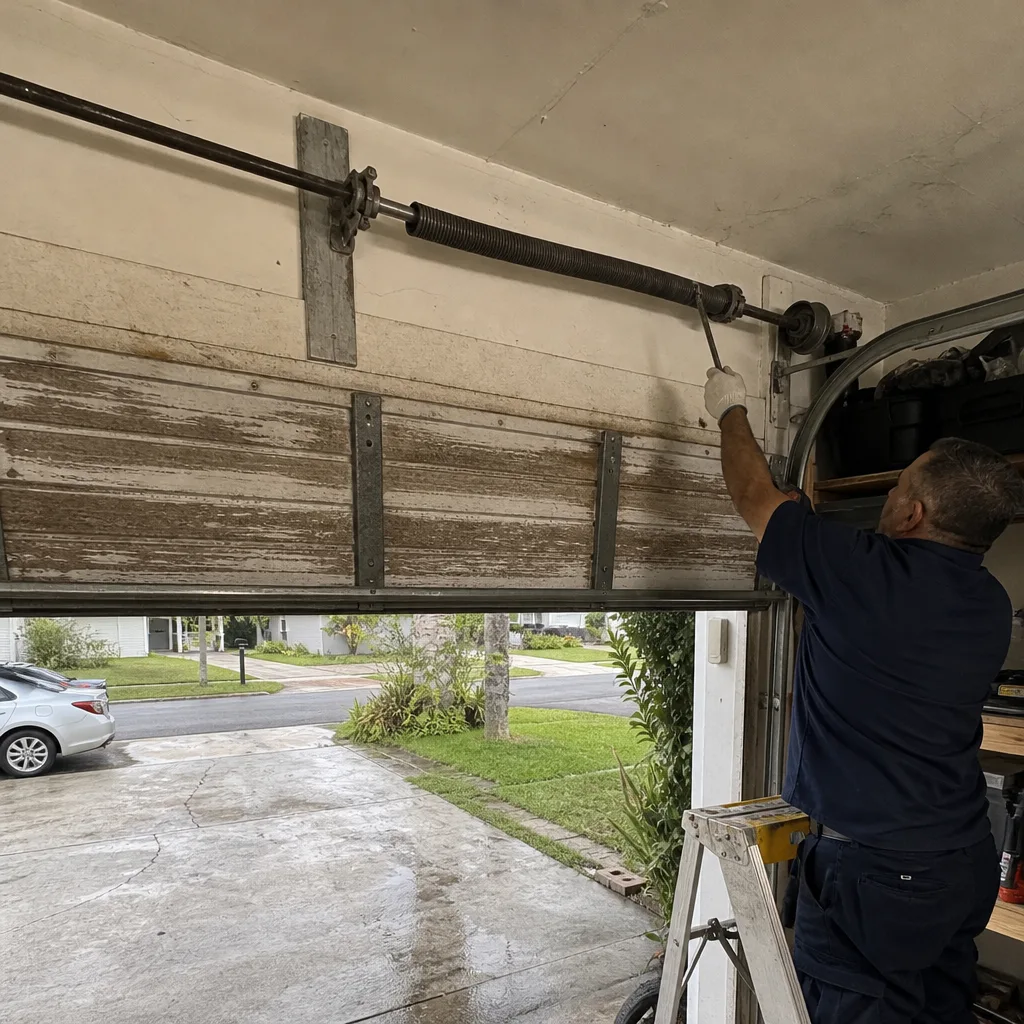 Before
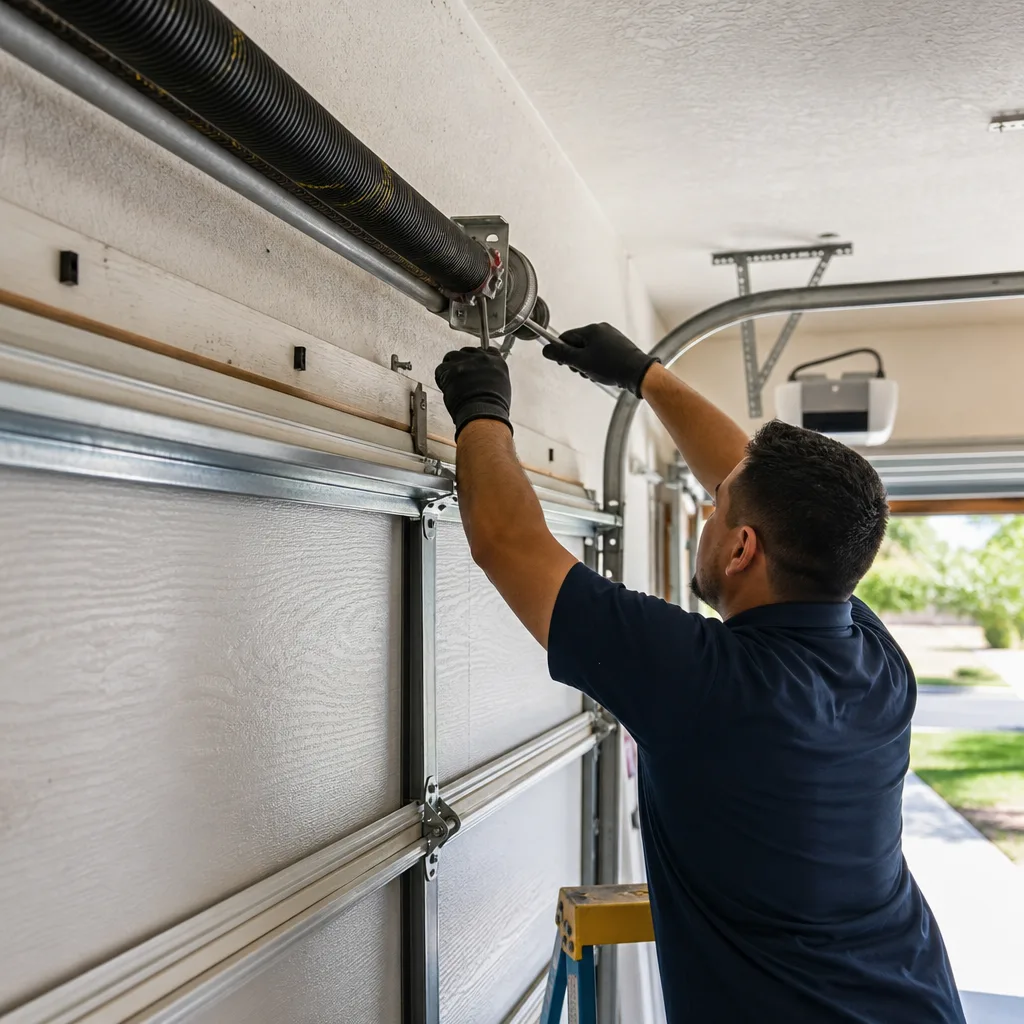 After
 Before
 After
 Before
 After